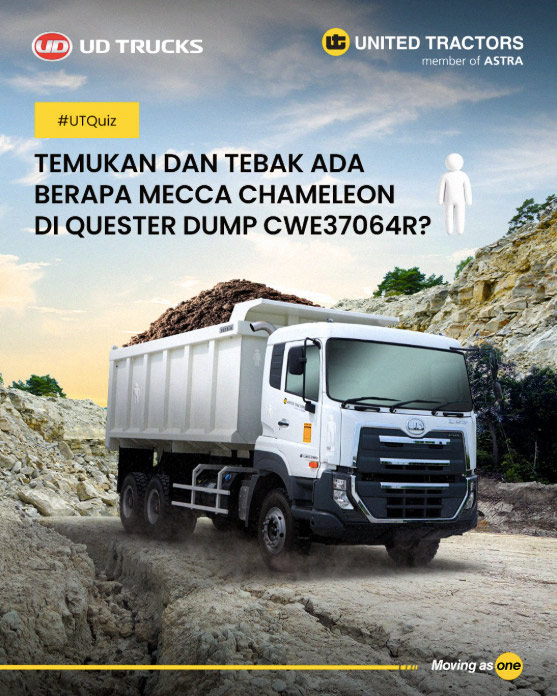
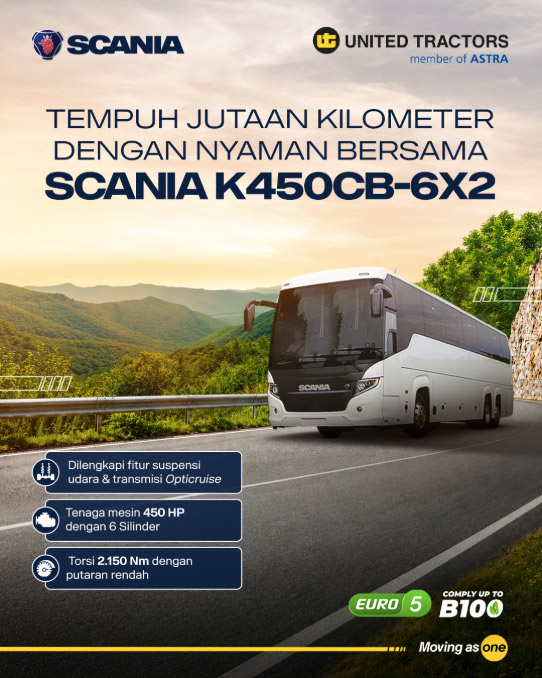
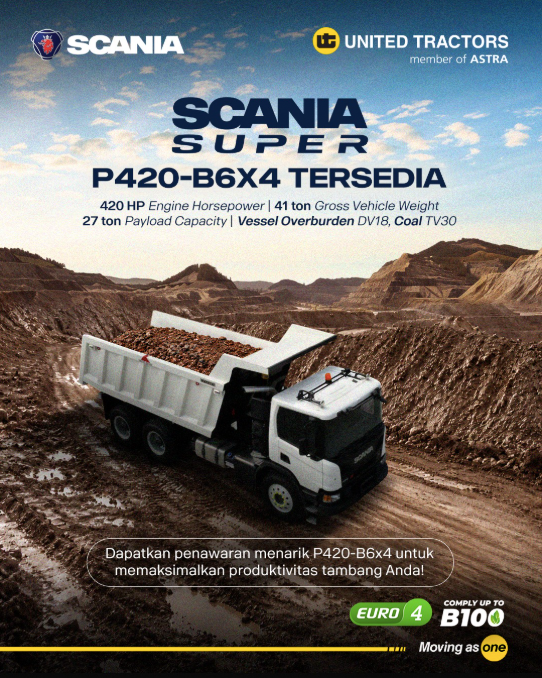
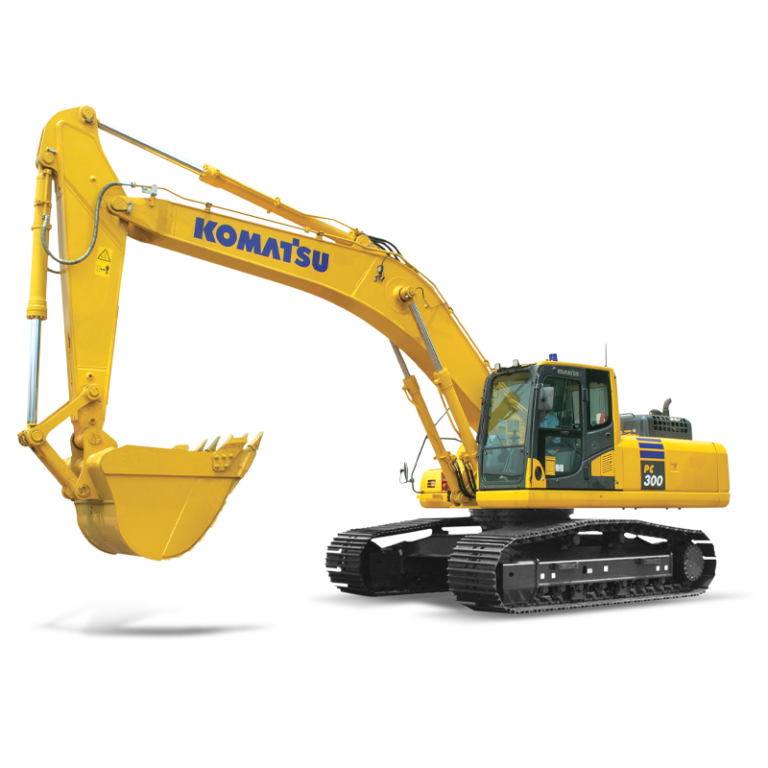
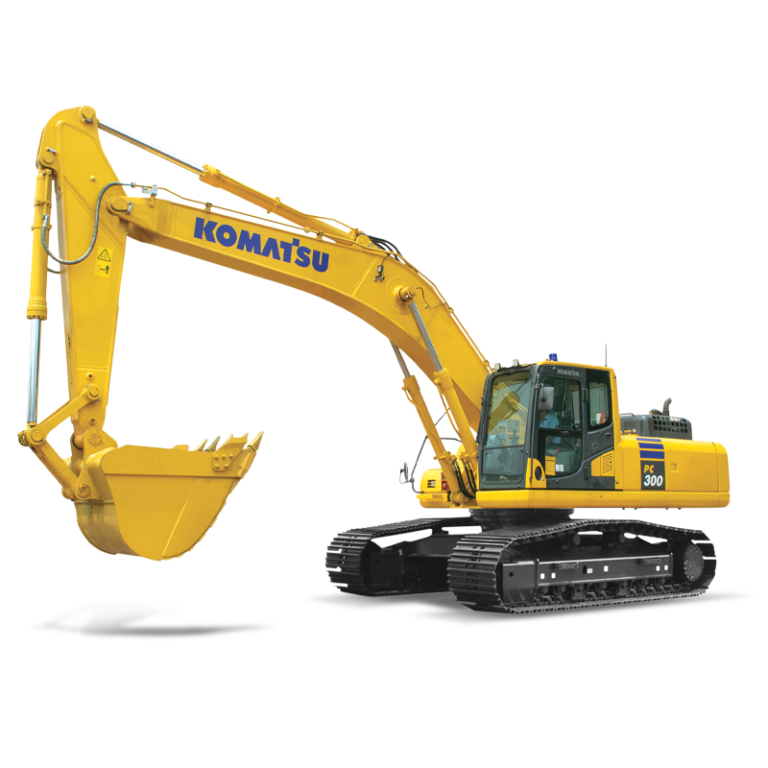
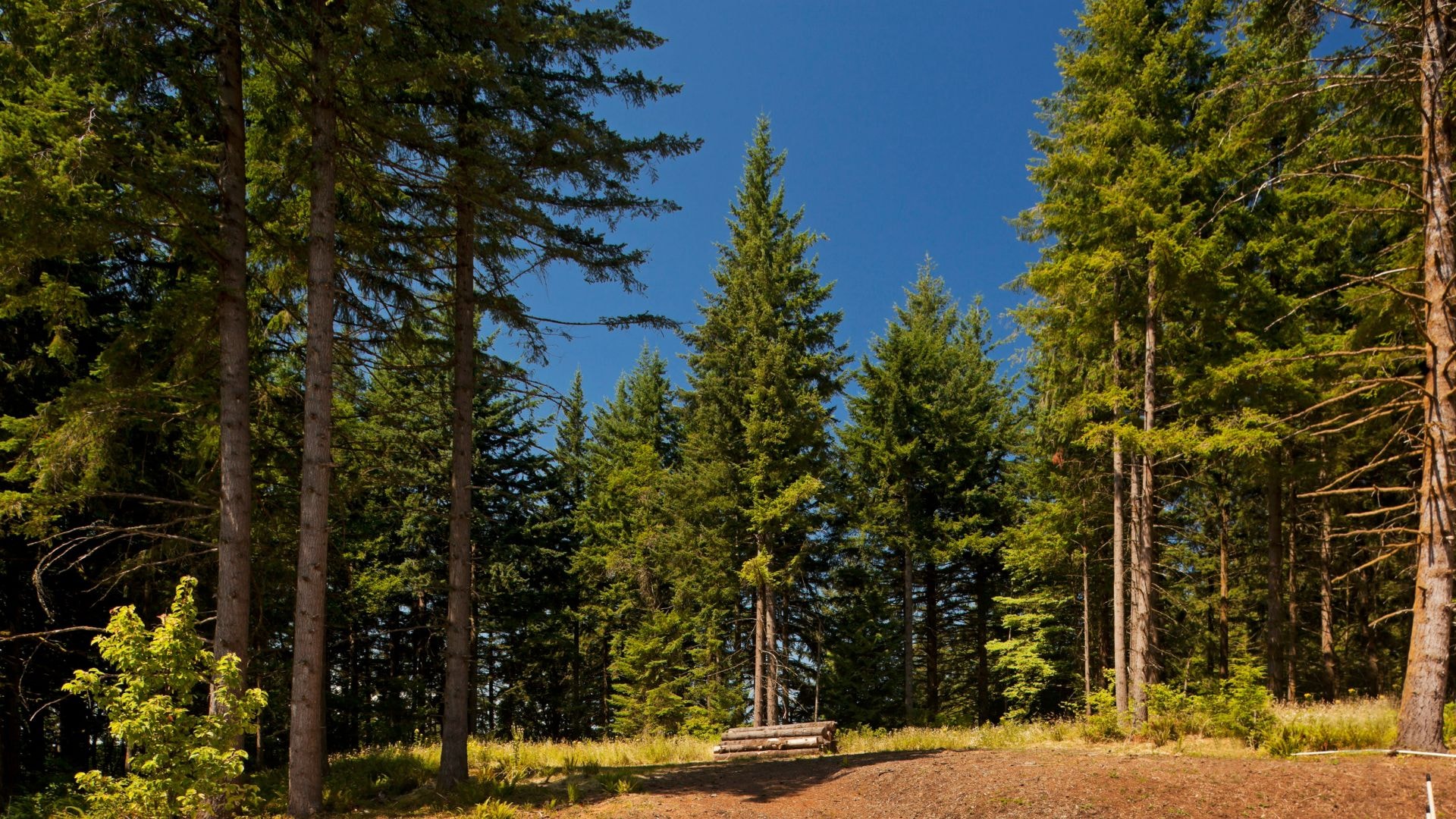
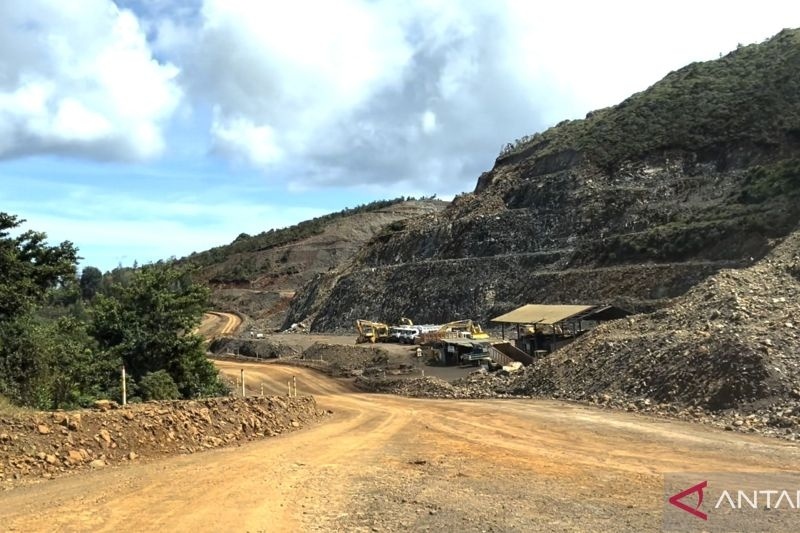
Upload beberapa gambar referensi untuk membangun Visual Design System "Scania".
Background Grafis Library
Upload aset grafis (pattern/texture/gradient) untuk VDS "Scania". Aset ini bisa dipilih berulang kali sebagai acuan visual saat Generate Prompt dengan Background Type "Grafis".
Visual Design System (VDS)
Hasil AI bisa diedit bebas. Satu klien bisa memiliki beberapa VDS untuk gaya berbeda.
Pilih Art Style
Menentukan gaya visual KESELURUHAN gambar yang akan dihasilkan. Kalau bukan Realistic Photography, opsi khusus fotografi (Photography Style, Camera Lens, Depth of Field, Realism) otomatis disembunyikan di langkah berikutnya karena tidak relevan.
Deskripsikan Gambar yang Diinginkan
Mode Edit: memperbarui riwayat prompt yang sudah ada.
Art Style: Realistic Photography
Hasil Prompt
Belum ada prompt. Isi brief di sebelah kiri lalu klik Generate.
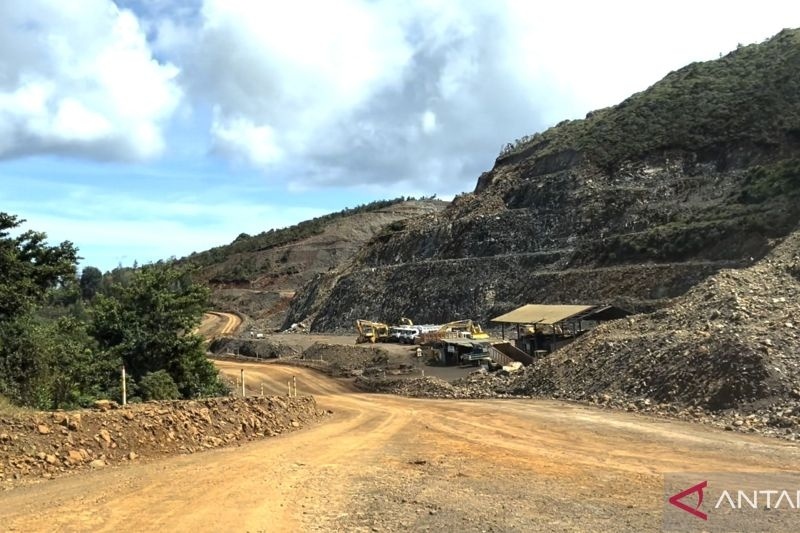
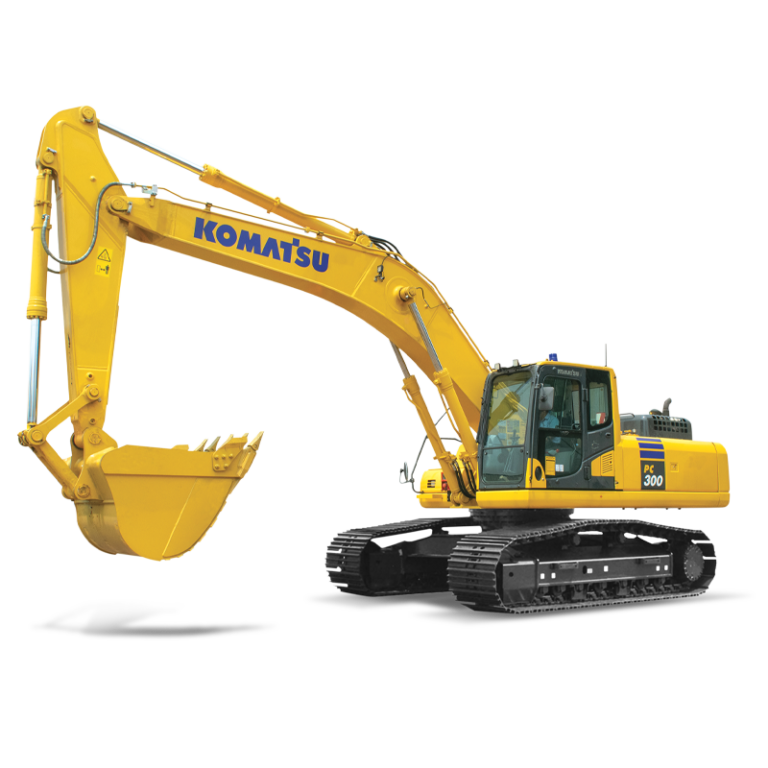
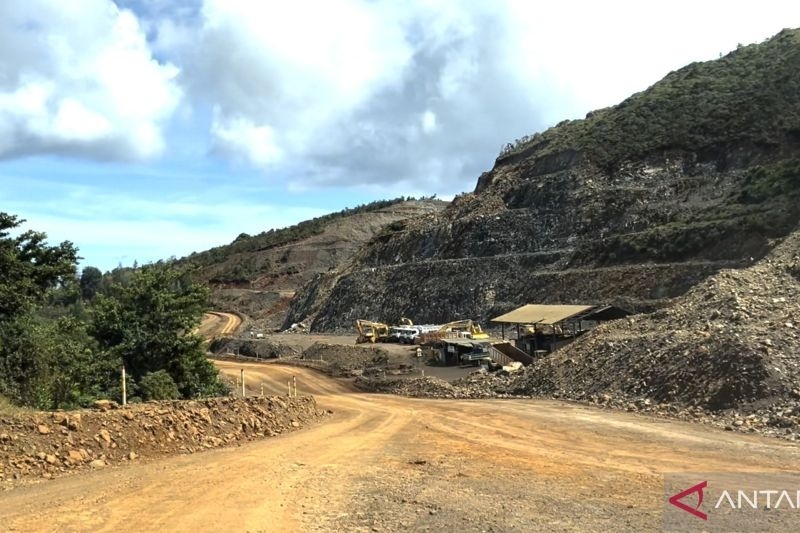
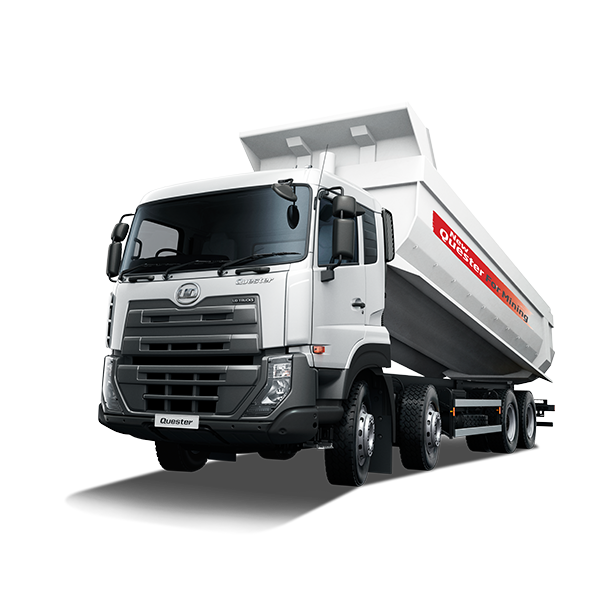
Lampirkan juga gambar berikut ke ChatGPT bersama prompt ini, agar detail objek/latar tetap akurat (bukan sekadar hasil interpretasi teks):
Riwayat Prompt
0 dipilih
Brief: Unit dump truck dipertambangan extreme
Komatsulow anglemedium shot4:5 portrait (feed post)product photographybalancedRealism ON
FORMAT:
4:5 portrait format, optimized for social media feed post, vertical orientation with balanced negative space for headline and footer overlay.
SUBJECT:
A heavy-duty mining dump truck, painted in Komatsu's signature yellow (#f5b700) with a dark navy chassis accent, positioned centrally and slightly toward the lower-left third of the frame following rule-of-thirds composition. The truck's massive tires and reinforced steel body show authentic wear: light rust streaks on the wheel rims and undercarriage, dried mud and dust caked around the tire treads and lower panels, and slightly faded yellow paint with subtle scratches on the body panels from heavy field use. The truck is angled diagonally toward the camera to convey scale, power, and dynamic industrial presence, with its massive dump bed and structural rivets clearly visible in accurate detail.
COMPOSITION & CAMERA:
Shot from a low camera angle looking slightly upward to emphasize the truck's massive scale and dominance, framed as a medium shot that captures the full vehicle body with some surrounding environmental context. Composed following product photography conventions, keeping the truck as the clear focal point while maintaining a diagonal placement for a dynamic, industrial feel with a balanced, natural sense of tension appropriate to a moderate mood intensity.
BACKGROUND:
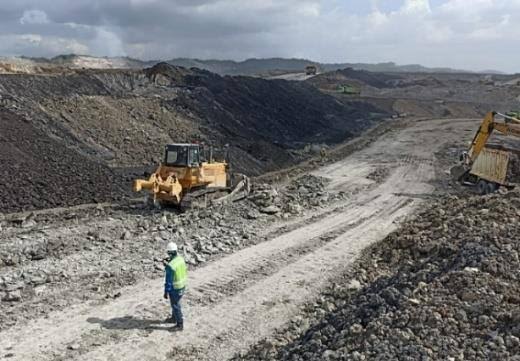
An extreme open-pit mining site stretches behind the truck, with layered terracotta-brown earth terraces, exposed rock faces, and distant heavy machinery adding scale and depth. The sky above is a slightly overcast, diffused pale expanse with irregular, non-symmetrical cloud formations, and the terrain shows natural variation—uneven dirt ridges, scattered rocks of different sizes, and patches of dust—avoiding any repetitive or overly uniform ground texture. Colors in the background are naturally desaturated with a slight atmospheric haze, keeping the earth tones muted rather than vivid.
FOREGROUND:
The foreground is left clean and unobstructed, with only a light scattering of loose gravel and dust consistent with the mining environment, ensuring no elements block the truck or intrude into the safe zone areas.
LIGHTING & MOOD:
Natural outdoor daylight with an overcast, diffused quality dominates the scene, casting soft yet directional shadows beneath the truck's massive frame consistent with a single ambient light source from the sky. The mood conveys strength, industrial toughness, and reliability, rendered with balanced contrast that avoids overly dramatic or flat lighting while still defining the metal surfaces and terrain texture clearly.
COLOR PALETTE:
Dominated by Komatsu's brand yellow (#f5b700) on the truck body, contrasted against dark navy chassis accents (#0a1f44), earthy muted browns (#6b4a2e) from the mining terrain, natural muted greens (#7a8b5c) in sparse distant vegetation, and stony grays (#a9b4bc) in rock formations, all rendered in a naturally desaturated, atmosphere-influenced color grade rather than oversaturated digital tones.
SAFE ZONE (LOGO & FOOTER):
The top approximately 33% of the frame is kept clear and uncluttered, reserved for logo and headline placement, with the sky and upper terrain providing clean negative space. The bottom approximately 15% of the frame remains clean terrain or ground area free of critical detail, reserved for footer or informational overlays, with the dump truck composed centrally within the remaining middle portion of the frame.
REALISM:
Fine textures such as dust, dried mud, light rust on the chains and bucket edges, and slightly faded yellow paint reflecting the diffused sunlight are rendered authentically. The image includes natural depth of field with the truck in sharp focus against a softer, slightly blurred background, subtle sensor noise typical of professional field photography, mild lens vignetting at the corners, uneven exposure between highlights and shadows, and a naturally imperfect white balance with a faint warm cast—avoiding any studio-perfect or CGI-like rendering.
Brief: Unit dipertambangan extreme
Komatsulow anglemedium shot4:5 portrait (feed post)product photographybalancedRealism ON
FORMAT:
4:5 portrait aspect ratio, optimized for a social media feed post, with vertical framing that emphasizes the scale of the heavy equipment against the mining environment.
SUBJECT:
A rugged Komatsu-branded heavy mining excavator, its yellow paint slightly weathered and dulled by dust and sun exposure, positioned centrally and slightly toward the lower-left of the frame following the rule of thirds. Its bucket and tracks show natural wear: caked mud, fine dust coating, light rust patina on the chain links and bucket edges, and scratches on the metal surface from heavy-duty extreme mining operations. The machine is angled diagonally for a dynamic, powerful stance, as if actively working at the extreme mining site.
COMPOSITION & CAMERA:
Shot from a low angle to emphasize the massive scale and dominance of the excavator, framed as a medium shot that keeps the machine as the clear focal point while still showing its surrounding mining context. This follows a product photography approach, prioritizing sharp, confident framing on the equipment with balanced compositional tension—strong but not overly exaggerated diagonal lines to convey dynamism without excessive drama.
BACKGROUND:
An extreme open-pit mining site stretches behind the excavator, featuring layered earthen terraces, exposed rock and soil in varied brown and gray tones, and a wide overcast sky providing soft diffused light. The terrain shows natural irregularities—uneven ridges, scattered rocks of different sizes, patches of exposed mineral-rich earth, and dust haze drifting near the ground—avoiding any repetitive or symmetrical patterns. Colors in the background are naturally muted and slightly desaturated, affected by atmospheric haze, keeping the scene grounded and realistic rather than vividly saturated.
FOREGROUND:
The frame's front area is left clean and unobstructed, with only a subtle scattering of loose gravel and dry soil texture at the very bottom edge to reinforce the mining ground context without introducing any additional foreground elements or props.
LIGHTING & MOOD:
Natural outdoor lighting from an overcast, diffused sky serves as the dominant light source, casting soft yet directionally consistent illumination across the excavator's surface, with mild natural shadow falloff beneath the machine and within its mechanical crevices. The mood conveys strength, industrial toughness, and professional reliability, with balanced contrast that avoids being overly dramatic while still highlighting the machine's rugged textures.
COLOR PALETTE:
The excavator's Komatsu yellow (#f5b700) appears slightly muted and weathered rather than vibrant, consistent with real-world sun fading and dust coverage, while the surrounding earth tones reflect natural muddy browns (#6b4a2e) and stony grays (#a9b4bc). The overcast sky introduces a soft desaturated backdrop, with the deep navy (#0a1f44) subtly present in distant shadowed areas, and hints of natural greenery (#7a8b5c) muted further by atmospheric haze—overall tones remain grounded, natural, and non-oversaturated with balanced tonal depth.
SAFE ZONE (LOGO & FOOTER):
The top approximately 33% of the frame is kept clear and unobstructed by the excavator or terrain features, reserved for logo and headline placement, showing mostly open sky and distant mining terrain. The bottom approximately 15% of the frame remains clean of major subject elements, reserved for footer or informational overlay, while the excavator itself is composed within the central vertical band to respect both margins.
REALISM:
Natural imperfections are present throughout: fine dust and dried mud coating the excavator's tracks and bucket, light surface rust on metal joints, subtle sun-faded patches on the yellow paintwork, and realistic natural depth of field where the machine remains crisp while the distant mining terrain softens slightly. A single dominant overcast light source creates uneven exposure with naturally underexposed shadow pockets, mild lens vignetting at the frame corners, faint sensor grain typical of professional field photography, and a subtle imperfect white balance with a slightly cool cast consistent with overcast daylight conditions.
Brief: Unit dipertambangan extreme
Komatsulow anglemedium shot4:5 portrait (feed post)product photographydramaticRealism ON
FORMAT:
4:5 portrait aspect ratio, optimized for a social media feed post, vertical framing that emphasizes scale and height of the machinery.
SUBJECT:
A rugged Komatsu heavy-duty excavator positioned at an extreme mining site, its yellow paint slightly faded and weathered with visible dust, dried mud caking the tracks and undercarriage, and light surface rust along the bucket teeth and chain joints. The machine is angled diagonally within the frame, bucket arm extended or slightly lowered as if mid-operation, showing scratches, scuffed metal edges, and uneven grime buildup consistent with heavy real-world use in an extreme mining environment.
COMPOSITION & CAMERA:
Shot from a low angle to emphasize the excavator's massive scale and dominance over the terrain, framed as a medium shot that keeps the machine as the central focal point while still revealing the surrounding mine pit. Captured in a product photography style with the excavator placed slightly left-of-center following rule-of-thirds, diagonal positioning adding dynamic tension to the composition. The dramatic mood intensity is reflected in a bolder, more aggressive framing angle with deeper perspective distortion and heightened tension between foreground machine and background terrain.
BACKGROUND:
A vast open-pit mining site with layered earthen terraces in varying shades of brown and ochre, scattered rocks and uneven excavated ground, and a distant haze from dust suspended in the air. The terraces and rock formations show irregular, non-repetitive erosion patterns and natural unevenness, with a muted, slightly overcast sky that avoids any oversaturated blue, giving the scene a raw, natural atmospheric depth consistent with real mining conditions.
FOREGROUND:
The frame's foreground is left clean with no additional overlapping elements, allowing an unobstructed view of the excavator and mining terrain, though a light layer of settled dust near the very front edge of the frame adds subtle environmental texture.
LIGHTING & MOOD:
Natural outdoor lighting with a hard, direct sunlight quality typical of overcast-to-harsh midday transitions at a mine site, casting strong directional shadows across the excavator's textured metal surfaces and the uneven ground. The dramatic mood intensity pushes the contrast further, with deeper shadow pockets under the machine's body and tracks, and a single dominant light source creating uneven falloff between the sunlit top surfaces and the more shadowed lower chassis, reinforcing the tough, industrial, high-stakes atmosphere of extreme mining work.
COLOR PALETTE:
Dominant tones of Komatsu yellow (#f5b700) on the machine body, muted and naturally desaturated to reflect sun-fading and dust coverage, paired with earthy browns and mud tones (#6b4a2e) across the terrain and undercarriage. Deep navy (#0a1f44) appears subtly in shadowed metal recesses and distant sky tones, while stone-gray (#a9b4bc) textures the rocky terraces, all rendered with natural, slightly muted color grading affected by atmospheric dust haze rather than vivid, oversaturated hues.
SAFE ZONE (LOGO & FOOTER):
The top approximately 33% of the frame is kept clear and uncluttered, reserved as safe space for logo and headline placement, with only sky and distant terrain haze occupying that region. The bottom approximately 15% of the frame remains clean of critical machine or terrain detail, serving as safe space for footer or informational overlays, while the excavator itself is composed within the central 52% of the vertical frame to avoid encroaching on either margin.
REALISM:
Realism toggle is active: render fine surface textures including dust particulate, dried mud clumps, light rust patina on chains and bucket edges, faded yellow paint with uneven reflectivity, and subtle camera sensor grain typical of professional field photography. Maintain natural depth of field with the excavator crisply in focus while the distant mining terrain falls slightly softer, along with minor lens vignetting at the frame corners and a natural, imperfect white balance consistent with harsh outdoor daylight.
Brief: Unit dipertambangan extreme
Komatsulow anglemedium shot4:5 portrait (feed post)product photographydramaticRealism ON
FORMAT:
4:5 portrait aspect ratio optimized for a social media feed post, vertical orientation with balanced negative space for headline and footer overlay.
SUBJECT:
A rugged Komatsu heavy mining excavator, its bodywork painted in the brand's signature yellow with visible sun-faded patches, dust film, light rust on the tracks and bucket teeth, and mud caking the undercarriage from extreme mining conditions. The machine is posed at a dynamic diagonal angle mid-operation, bucket slightly raised, showing physical wear consistent with heavy-duty use in an open-pit mine.
COMPOSITION & CAMERA:
Shot from a low angle to emphasize the excavator's imposing scale and mechanical power, framed as a medium shot with the machine positioned slightly left-of-center following the rule of thirds. The product photography approach keeps the excavator as the sharp, dominant focal point, with the diagonal placement and low vantage point amplifying the dramatic, tension-filled mood of the composition.
BACKGROUND:
An extreme open-pit mining site stretches behind the excavator, with layered dirt terraces, exposed rock strata, and heavy machinery tracks carved into the earth, rendered with natural irregularity in texture and erosion patterns rather than uniform repetition. The sky above is heavily overcast with uneven, non-symmetrical cloud formations, and the overall palette leans toward muted, dust-hazed earth tones rather than vivid or oversaturated colors, with the background slightly softer in focus than the sharply detailed machine.
FOREGROUND:
The frame's foreground is left clean and unobstructed, with only scattered loose gravel, dust particles, and uneven ground texture near the base of the shot, adding realism without introducing any distracting overlay elements.
LIGHTING & MOOD:
Hard direct sunlight cuts across the scene from one dominant angle, casting deep, elongated shadows beneath the excavator and creating strong contrast between sunlit metal surfaces and dark undercarriage recesses, consistent with the harsh midday conditions of an active mine site. The dramatic mood intensity is reinforced through deepened shadow falloff, heightened contrast on the yellow paintwork, and a tense, powerful atmosphere befitting the extreme, industrial setting.
COLOR PALETTE:
The excavator's brand yellow (#f5b700) appears naturally muted and weathered rather than flat or oversaturated, contrasted against the dark navy-tinted overcast sky (#0a1f44), earthy mud-brown terrain (#6b4a2e), and dusty stone-gray rock faces (#a9b4bc), all rendered with natural desaturation and atmospheric haze consistent with real outdoor mining light.
SAFE ZONE (LOGO & FOOTER):
The top approximately 33% of the frame is kept clear and uncluttered sky/background space reserved for logo and headline placement, while the bottom approximately 15% remains clean ground/haze area reserved for footer or informational text overlay. The excavator remains composed within the central 52% of the frame, positioned slightly left-of-center horizontally without breaching either margin.
REALISM:
Fine sensor noise and grain typical of professional field photography are present throughout, alongside subtle lens vignetting at the corners and a slightly imperfect, warm-toned white balance rather than neutral studio correction. Visible imperfections include rust streaks on the tracks, dried mud splatter on the chassis, faded and scratched yellow paint, uneven ground texture, and natural depth of field where the excavator stays crisply sharp while the mining backdrop falls slightly soft.
Brief: Unit sedang berada di area pertambangan extreme
Komatsulow angleclose-up4:5 portrait (feed post)cinematic photographydramaticRealism ON
FORMAT:
4:5 portrait aspect ratio, optimized for social media feed post, vertical framing suited for mobile viewing.
SUBJECT:
A Komatsu excavator, heavy-duty and industrial, finished in the brand's signature yellow with dark navy "KOMATSU" branding on the boom arm, mounted on rugged black rubber-tracked undercarriage. The machine features an articulated arm with a bucket attachment, its cab windows tinted with visible interior framing and safety grilles, positioned diagonally within the frame to convey dynamism and mechanical power. The yellow paintwork shows realistic wear: sun-faded patches, fine dust coating, small scuffs and light surface rust on the bucket teeth and track chains, with mud and dirt caked around the undercarriage consistent with active extreme mining operation.
COMPOSITION & CAMERA:
Shot from a low camera angle looking upward at the excavator to emphasize its scale, dominance, and mechanical strength, framed as a tight close-up on the machine's arm, bucket, and cab area. Captured with a cinematic photography approach, using strong diagonal composition and dramatic perspective compression to heighten tension and visual impact. The dramatic mood intensity is reflected through deep shadow pockets under the machine's chassis and heightened contrast between sunlit metal surfaces and darker recessed mechanical parts.
BACKGROUND:
An extreme open-pit mining site with rugged excavated rock walls, terraced quarry benches, and a winding dirt access road cutting through exposed earth and gravel. Scattered vegetation clings irregularly to the rocky slopes with naturally uneven density and patchy growth, while a partly cloudy sky with organically shaped, non-symmetrical cloud formations stretches above the pit. The color tones of the rocky terrain, dirt road, and sky are rendered with natural, slightly desaturated color grading affected by atmospheric haze, avoiding any oversaturated or artificially vivid sky-blue or vegetation-green tones.
FOREGROUND:
Jagged mining rocks and loose gravel debris are scattered unevenly across the lower foreground, varying naturally in size, shape, and texture without any repetitive or symmetrical placement, positioned closer to the camera than the excavator without obscuring its cab, bucket, or branding. Sparse forest ferns and undergrowth foliage appear faintly at the frame edges, irregular in growth pattern and slightly wind-disturbed, staying clear of the mandatory safe zones at the top and bottom of the frame.
LIGHTING & MOOD:
Natural outdoor lighting with hard direct sunlight typical of midday mining conditions, casting a single dominant directional light source that produces sharp, elongated shadows across the excavator's textured metal surfaces and the rocky terrain. The dramatic mood intensity is reinforced through deepened shadow falloff and a stronger highlight-to-shadow contrast on the yellow bodywork and dark undercarriage, evoking a tone that is powerful, industrial, rugged, and unmistakably professional.
COLOR PALETTE:
The Komatsu yellow appears naturally muted by dust film and sun-fading rather than a flat saturated tone, paired with the deep navy branding accents and dark charcoal-black tracks and grapple components. The mining backdrop contributes earthy mud-brown and stone-gray tones with a naturally desaturated sky-blue, all blended with a subtle warm atmospheric cast consistent with realistic outdoor color grading rather than digitally oversaturated hues.
SAFE ZONE (LOGO & FOOTER):
The top approximately 33% of the frame is kept clear and uncluttered, free from the excavator's arm, cab, or any foreground rocks/foliage, reserved for logo and headline placement. The bottom approximately 15% of the frame remains clean of any dense foreground debris or machine parts, reserved for footer or informational text placement, with the excavator itself composed within the central 52% vertical zone in a horizontally centered arrangement.
REALISM:
Realism toggle is active: render visible film grain and subtle camera sensor noise typical of professional field photography, natural lens vignetting at the frame corners, a slightly imperfect warm white balance from direct sunlight, and natural depth of field where the excavator remains crisply sharp while the distant quarry walls and sky render marginally softer. Include authentic surface imperfections such as dust accumulation, light rust streaks on metal joints, uneven mud splatter, and naturally underexposed shadow regions to ensure the image reads as an unretouched, real-world photograph rather than a rendered or AI-generated composite.
Lampirkan juga gambar berikut ke ChatGPT saat memakai prompt ini:
Utama(tanpa deskripsi)
Utama(tanpa deskripsi)
Utama(tanpa deskripsi)
Background(tanpa deskripsi)
Background(tanpa deskripsi)
Background(tanpa deskripsi)
Brief: Alat berat sedang bekerja
Komatsulow anglewide shot4:5 portrait (feed post)golden hourbalanced35mm lensstrong bokeh (subject isolated)Layout: Ruang KananRealism ON
FORMAT:
4:5 portrait aspect ratio, optimized for a social media feed post, vertical framing that emphasizes scale and height of the machine against the open mining landscape.
SUBJECT:
A Komatsu PC300 excavator, matching the reference image precisely in shape, proportions, color, and branding — vibrant yellow body with dark navy "KOMATSU" lettering on the arm, black undercarriage and tracks, dark green-tinted cabin glass, and the "PC300" model decal on the side panel. The excavator is captured mid-operation, arm extended and bucket lowered as if actively digging or moving earth at the mining site, with its bucket teeth and undercarriage tracks showing a light coating of dust, dried mud, and minor surface wear consistent with active fieldwork. The machine is angled diagonally within the frame to convey dynamic motion and mechanical power, with slight asymmetry in its pose to avoid a stiff or overly staged look.
COMPOSITION & CAMERA:
Shot from a low angle to emphasize the excavator's scale, strength, and dominance over the terrain, using a wide shot framing that captures the machine within its full working environment. Captured with a 35mm lens for a natural wide perspective with minimal distortion, paired with strong bokeh (subject isolated) achieved through a wide aperture (approximately f/1.8-f/2.8), keeping the excavator crisply sharp while the mining backdrop dissolves into soft, painterly blur. Following the extra space on the right layout, the excavator is composed shifted toward the left side of the frame, positioned diagonally along the lower-left third for a dynamic, editorial feel, with a balanced mood intensity keeping the composition natural and grounded rather than overly theatrical.
BACKGROUND:
The setting is an open-pit mining site, referencing the provided background image — a rugged excavated hillside with layered rock terraces, a winding dirt access road, scattered mining equipment and a shelter structure in the distance, and patches of natural greenery clinging to the slopes under a partly cloudy sky. Clouds are rendered with varied, irregular, asymmetric shapes rather than uniform puffs, and the scattered trees and shrubs show natural inconsistency in size, density, and growth pattern rather than repeating uniformly. Due to the strong bokeh effect, the background remains recognizable in its layout and color but appears soft and blurred, with muted, slightly desaturated earth tones, dusty ochre rock faces, and a naturally hazy, less-saturated sky rather than a flat, oversaturated blue.
FOREGROUND:
Loose mining rocks and rubble are scattered across the lower foreground, closer to the camera than the excavator, with irregular sizes, jagged edges, and natural clustering rather than a uniform arrangement. Due to the strong bokeh setting, these foreground rocks appear slightly soft and out-of-focus, creating a subtle frame-within-frame depth effect, while remaining low enough in the frame to avoid obscuring the excavator or intruding into the safe zones.
LIGHTING & MOOD:
Golden hour lighting bathes the scene in warm, directional sunlight, casting long, hard-edged shadows from the excavator and terrain features, with a single dominant light source consistent with a low sun angle. Highlights on the yellow paintwork show natural glare and mild fading, while shadow areas remain naturally underexposed rather than artificially lifted, reinforcing the industrial, tough, and dynamic mood conveyed through the VDS tone.
COLOR PALETTE:
The excavator's Komatsu yellow (#f5b700) and navy blue branding (#0a1f44) remain vivid but naturally toned down by the warm golden-hour light rather than appearing flat or oversaturated. The background and foreground incorporate muted earthy browns (#6b4a2e), desaturated natural greens (#7a8b5c), and dusty stone grays (#a9b4bc), all rendered with realistic atmospheric haze and natural tonal variation consistent with a balanced mood intensity.
SAFE ZONE (LOGO & FOOTER):
The top approximately 33% of the frame is kept clear and uncluttered, reserved for logo and headline placement, with the sky and upper terrain free of any obstructing elements. The bottom approximately 15% of the frame remains clean for footer or informational placeholders, and following the extra space on the right layout, an additional 35-40% of the frame's width on the right side is left open and uncluttered for a rate card or promotional graphic, with the excavator and foreground rocks composed toward the left side to respect this reserved space.
REALISM:
With realism toggle active, the image includes visible dust and dried mud on the tracks and bucket, light rust on chain components, subtle fading on the yellow paint from sun exposure, natural depth-of-field falloff, faint camera sensor noise, mild lens vignetting at the corners, and a slightly imperfect warm white balance — all consistent with an authentic field-shot photograph rather than a clean digital render.
Lampirkan juga gambar berikut ke ChatGPT saat memakai prompt ini:
Utama(tanpa deskripsi)
Background(tanpa deskripsi)
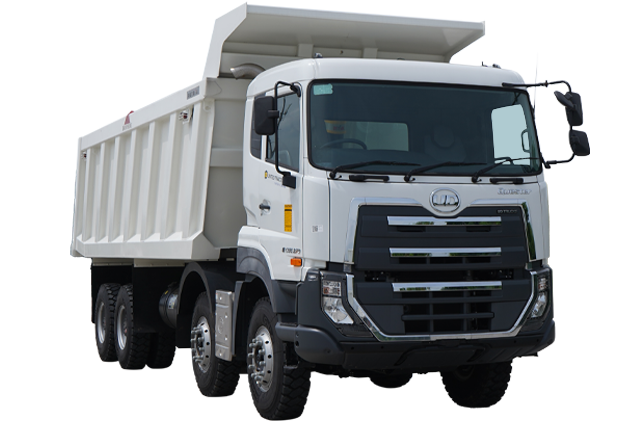
Brief: 2 buah truck sedang berpose
UD Truckslow anglemedium shot4:5 portrait (feed post)commercial advertising photographyhard direct lightbalanced24mm wide-angle lensslight background blurRealism ON
FORMAT:
4:5 portrait aspect ratio, optimized for a social media feed post, vertical framing that emphasizes the trucks' scale against open mining sky.
SUBJECT:
Two white UD Trucks Quester dump trucks with red "Mining" and brand decals pose together at a mining site, both featuring boxy cabover cabins, chrome grille accents, black bumpers, and raised dump-bed trailers matching their reference images exactly in shape, color, and labeling. The first truck is positioned to the left and slightly further back, angled three-quarter view showing its side dump bed with red "Quester Mining" decal; the second truck is positioned to the right and slightly forward, closer to camera, front three-quarter view showing its grille, chrome trim, and green/brand logo decal on the door. Both trucks show realistic imperfections: fine dust coating on lower body panels and wheel arches, dried mud splatter near the mudguards, and naturally worn tire treads consistent with rough offroad mining terrain.
COMPOSITION & CAMERA:
Shot from a low camera angle to make both trucks appear massive and dominant, medium shot framing that captures both vehicles fully within the frame while keeping the environment context visible. Captured with a 24mm wide-angle lens producing natural perspective distortion that exaggerates the trucks' front-end proportions and depth between the two vehicles, following commercial advertising photography conventions with polished but grounded framing. Depth of field set to slight background blur (approximately f/4-f/5.6), keeping both trucks crisply sharp while the distant terrain softens slightly; composition maintains balanced mood intensity with natural tension between the two trucks' poses without excessive dramatization.
BACKGROUND:
The setting is an open-pit mining area with rugged, uneven terrain, dusty gravel roads, and rocky excavated slopes matching the reference environment, including distant heavy equipment and overcast sky with irregular, non-uniform cloud formations. Terrain mounds and rock piles vary organically in height, shape, and texture rather than repeating uniformly, avoiding any symmetrical or artificial-looking patterns. Colors are naturally desaturated and muted, affected by atmospheric haze and dust, avoiding oversaturated blue skies or overly vivid greens; per the slight background blur DOF setting, the background remains recognizable in content but renders softly out of focus behind the sharp trucks.
FOREGROUND:
Medium-to-large mining rocks and rubble are scattered unevenly across the lower foreground, varying in size, shape, and angular texture to avoid any repetitive or artificial arrangement, consistent with debris found on an active mining road. These rocks are positioned low in the frame, closer to the camera than the trucks, without obscuring either vehicle's grille, headlights, or decals. Given the slight background blur DOF, the foreground rocks remain mostly sharp since they are close to the focal plane, with only the very nearest edges showing minimal softness.
LIGHTING & MOOD:
Hard direct sunlight serves as the primary lighting style, casting crisp highlights across the glossy metallic truck bodies and chrome accents while producing well-defined but slightly uneven shadows beneath the vehicles and rocks, consistent with a single dominant overhead sun source. This pairs with the brand's tough, professional, industrial mood, with the overcast haze softening shadow edges just enough to avoid harsh artificial flatness. Contrast and shadow depth are rendered in a balanced manner—present and grounded, but not overly dramatized.
COLOR PALETTE:
The palette draws from corporate red (#c1272d), deep black (#1a1a1a), light gray-white (#f2f2f2), earthy mining brown (#6b5b4d), sky-gray blue (#8fa6b2), and industrial dark gray (#3c3c3c), all rendered with natural, muted color grading rather than flat or oversaturated tones. Atmospheric dust haze subtly desaturates distant elements, while the trucks' red and white surfaces retain moderate, realistic vibrancy without appearing digitally over-enhanced. Tonal variation across the terrain and sky remains balanced and grounded, consistent with natural outdoor lighting conditions.
SAFE ZONE (LOGO & FOOTER):
The top portion of the frame, approximately 33% of the image height, is kept clear and uncluttered—featuring only sky and distant haze—reserved for logo and headline placement, with neither truck nor foreground rocks intruding into this zone. The bottom 15% of the frame is kept clean for footer or informational overlay, free of any foreground rocks or vehicle parts crossing into it. Both trucks are composed within the central 52% of the frame, ensuring the hero subjects remain fully visible without violating either safe margin.
REALISM:
The image incorporates fine camera noise and grain typical of outdoor commercial product photography, subtle dust and dirt accumulation on the trucks' lower panels and tires, and naturally worn tire treads reflecting real offroad use. Metallic paint surfaces show realistic reflection mapping with imperfect, non-uniform highlights rather than flawless CGI-like gloss, and the slight background blur reinforces authentic depth perception, all contributing to a convincingly photographed rather than rendered appearance.
Lampirkan juga gambar berikut ke ChatGPT saat memakai prompt ini:
FORMAT:
4:5 portrait aspect ratio, optimized as a feed post for social media, with vertical framing that emphasizes the crane's height and scale.
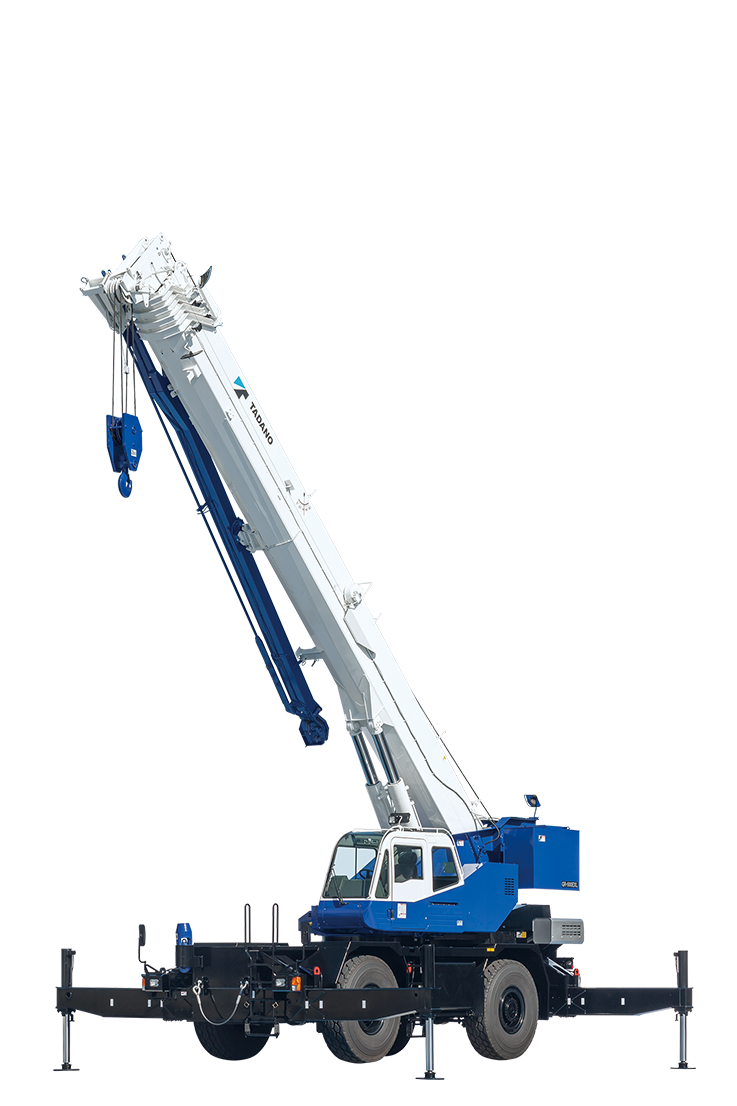
SUBJECT:
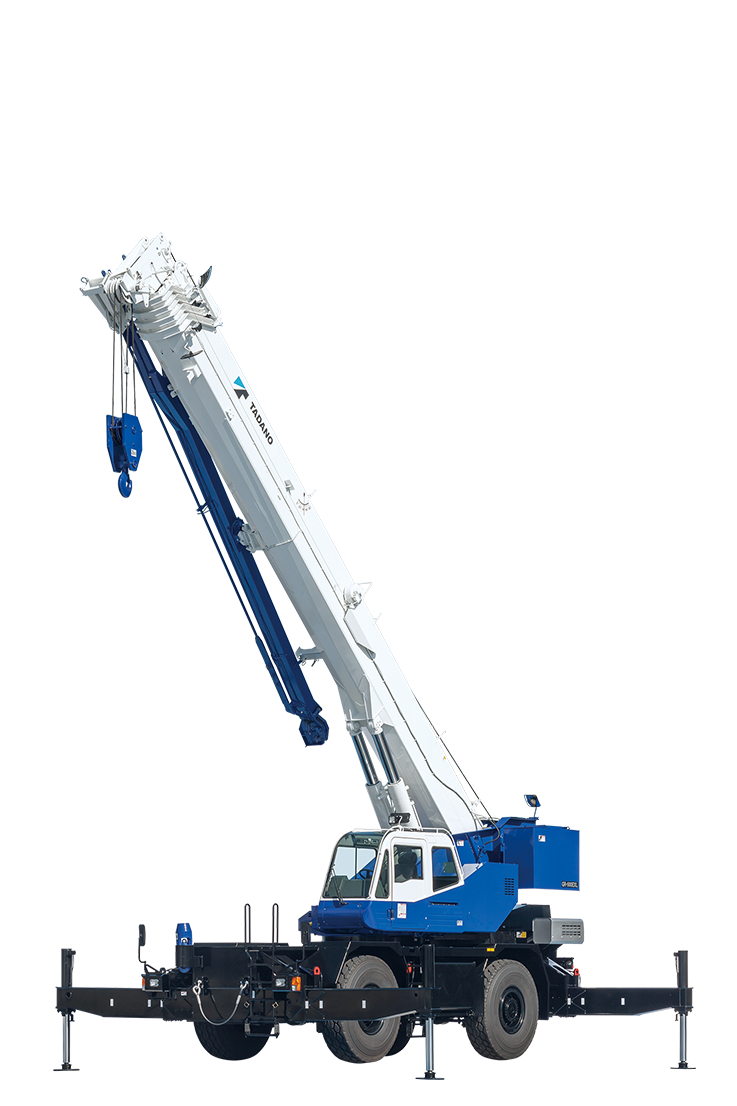
The subject is a Tadano rough terrain crane, identical to the reference image: a navy blue and white body with a long telescopic boom extending diagonally upward, dark blue hook block and cable rigging, blue engine housing on the rear, black outrigger beams extended with visible support pads, and large rugged tires. The crane is repositioned into a dynamic mid-action pose, boom angled upward as if actively lifting a concrete girder, with the girder suspended mid-air on the hook cable. Metal surfaces show natural weathering, subtle scratches on the paint, fine dust accumulation near the undercarriage, and uneven reflections of sunlight across the boom rather than a flawless factory-clean finish.
COMPOSITION & CAMERA:
Shot from a low angle looking upward to exaggerate the crane's dominance and mechanical power, captured as a wide shot with a 14mm ultra-wide-angle lens producing strong perspective distortion that stretches the boom dramatically toward the sky. This is commercial advertising photography with bold, high-impact framing, aperture set wide for strong bokeh (subject isolated), keeping the crane and suspended girder razor sharp while everything behind dissolves into soft blur. The very dramatic mood intensity pushes the composition into a tense, larger-than-life framing, with the boom's diagonal line creating strong visual tension across the frame.
BACKGROUND:
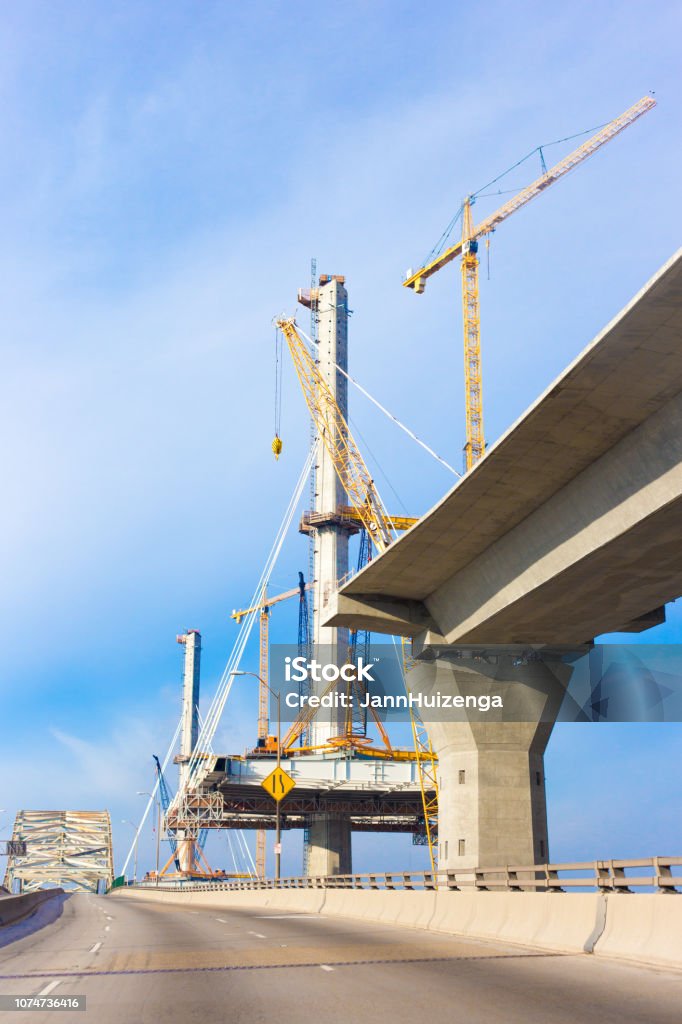
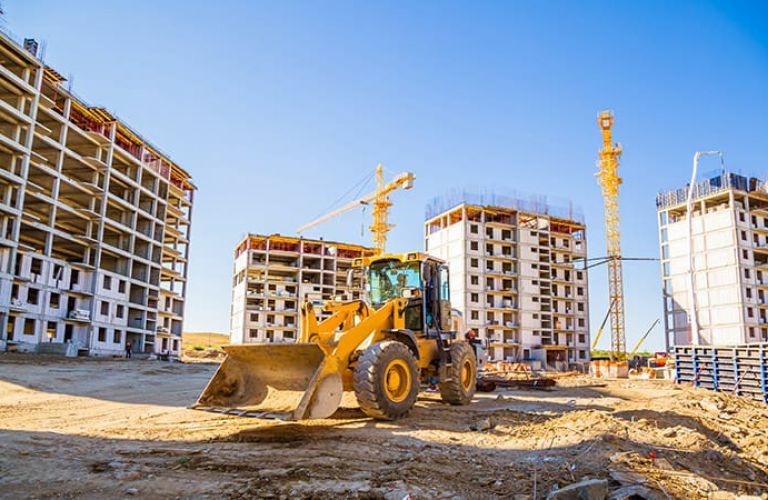
The background is based on the referenced construction/bridge site, showing an elevated concrete overpass under construction with tower cranes and cable-stayed bridge pylons, rendered without any watermark. Per the strong bokeh requirement, these background elements remain contextually accurate but appear soft and blurred, their hard edges melting into gentle shapes and color blocks rather than crisp detail. The sky is an overcast-tinged golden hour gradient, muted and slightly hazy rather than a flawless saturated blue, with sparse, irregularly shaped clouds of varying density and no symmetrical repetition.
FOREGROUND:
A few worn traffic cones, still relatively new but showing light dust and faint scuff marks, are scattered unevenly near the lower edge of the frame, varying slightly in tilt and spacing rather than uniformly aligned. Positioned closer to the camera than the crane, they partially soften into a slight blur consistent with the strong bokeh depth of field, while remaining recognizable in shape and color, and they stay clear of the crane's critical details and the safe zone margins.
LIGHTING & MOOD:
Golden hour lighting dominates as the primary source, casting warm low-angle sunlight across the crane's metal surfaces with elongated, slightly uneven shadows falling toward the foreground, consistent with a single dominant light source rather than flat ambient glow. This warm directional light is layered with the brand's natural overcast diffusion notes, creating a mood that is professional, powerful, and industrial, intensified by the very dramatic treatment into deeper contrast and richer shadow falloff along the boom's structure.
COLOR PALETTE:
The corporate navy blue (#1b3a6b) and sky blue (#2e86d6) of the crane are rendered with natural, slightly muted saturation affected by golden hour atmospheric haze, avoiding any flat or neon-like vibrancy. The brand's yellow accent (#f5c400), clean white (#ffffff), neutral gray (#8c8c8c), and earthy material brown (#c9a876) appear as warm-toned, naturally graded hues with subtle tonal variation, deepened in contrast per the very dramatic mood while remaining grounded and photographic rather than oversaturated.
SAFE ZONE (LOGO & FOOTER):
The top approximately 33% of the frame is kept clear and uncluttered, dominated by the soft golden-hour sky, reserved for logo and headline placement with no crane parts or foreground elements intruding. The bottom approximately 15% of the frame remains clean for footer or informational overlays, with the crane's base, outriggers, and traffic cones composed within the central 52% zone so neither margin is violated.
REALISM:
Realism is active: the image should include fine natural camera grain, subtle sensor noise typical of outdoor DSLR/mirrorless shooting, natural imperfect reflections on the crane's painted and metal surfaces, cracked and dusty ground texture near the site, and a natural depth of field falloff that organically separates the sharp crane from the blurred bridge and sky background, avoiding any overly clean or CGI-like rendering.
Lampirkan juga gambar berikut ke ChatGPT saat memakai prompt ini:
Utama(tanpa deskripsi)
Backgroundgunakan image ini tapi hilangkan watermarknya
Brief: Tadano rough terain crane in action
Tadanolow anglemedium wide shot4:5 portrait (feed post)documentary photojournalism styleambient moodybalanced50mm standard lensstrong bokeh (subject isolated)Realism ON
FORMAT:
4:5 portrait format optimized for social media feed post, vertical orientation with balanced negative space for headline and footer overlay elements.
SUBJECT:
A Tadano rough terrain crane (GR-series, dark navy and white livery with "TADANO" branding on the boom) is the central subject, positioned with its telescopic boom extended diagonally upward at a steep angle, hook block and pulley hanging from the boom tip, four-wheel undercarriage with visible outriggers partially deployed, mounted on rugged tires suited for rough terrain. The crane's physical details, proportions, color scheme, and branding must remain identical to the reference image, shown from a low angle that emphasizes its scale and mechanical power, with visible weathering such as light dust accumulation on the lower chassis, subtle paint wear on edges, and natural metallic reflections rather than a pristine showroom finish.
COMPOSITION & CAMERA:
Shot from a low angle at eye-level-to-ground perspective to emphasize the crane's imposing scale, framed as a medium wide shot with the machine occupying the center-to-lower-third of the frame, following documentary photojournalism style with candid, unposed authenticity. Captured with a 50mm standard lens for natural perspective and minimal distortion, using a wide aperture around f/1.8-f/2.2 to achieve strong bokeh that isolates the crane sharply against a softly blurred background. Composition maintains balanced tension, natural framing without excessive dynamism, consistent with a straightforward on-site documentary capture.
BACKGROUND:
The setting is an active construction site with multiple unfinished concrete high-rise buildings under a clear sky, based on the reference background image but with all heavy equipment removed, leaving only the structures, exposed rebar, scaffolding, and a dusty dirt-and-gravel ground with uneven patches, tire tracks, and scattered debris. Due to the strong bokeh depth of field, these background elements remain recognizable in shape but rendered soft and out of sharp focus, with the sky showing natural, slightly muted blue tones with uneven wispy cloud formations rather than a flat, oversaturated gradient, and the building facades showing irregular window patterns and construction variation rather than uniform repetition.
FOREGROUND:
Several traffic safety cones, orange with worn white reflective bands, are scattered unevenly in the lower foreground area of the frame, varying slightly in tilt, spacing, and condition (some slightly dirty or tipped), positioned closer to the camera without obscuring the crane's cab, boom, or branding. Due to the strong bokeh setting, these cones appear slightly soft at the very edges closest to the lens while still clearly identifiable in form and color, staying entirely within the lower-middle safe area of the frame.
LIGHTING & MOOD:
Ambient moody lighting dominates the scene, consistent with an overcast diffused daylight source coming predominantly from one direction, casting soft but slightly uneven shadows beneath the crane's chassis and outriggers rather than flat, shadowless illumination. The mood remains professional, strong, and industrial, with a balanced intensity that avoids overly dramatic chiaroscuro while still conveying weight and presence through natural light falloff across the metal surfaces.
COLOR PALETTE:
The corporate navy blue (#1b3a6b) and white of the crane body are rendered with natural, slightly desaturated tones affected by outdoor atmospheric haze, avoiding vivid or glossy digital-render saturation. The sky reads as a muted, hazy blue rather than a perfect gradient, the earthy ground tones lean toward a desaturated brown (#c9a876) with dusty gray undertones (#8c8c8c), and any yellow accent elements appear naturally weathered rather than neon-bright, maintaining balanced tonal contrast throughout.
SAFE ZONE (LOGO & FOOTER):
The top approximately 33% of the frame remains clean, open sky and background space free of the crane's boom tip or any foreground clutter, reserved for logo and headline placement. The bottom approximately 15% of the frame is kept clear of the crane's chassis and safety cones for footer and information overlay, with the crane's main body and cab composed within the central 52% of the vertical frame to respect both margins.
REALISM:
The image must exhibit authentic documentary photography imperfections: fine natural camera grain, subtle sensor noise in shadow areas, natural micro-imperfections on the crane's painted and metal surfaces including minor scratches and dust buildup, uneven and slightly inconsistent outdoor lighting falloff, cracked and textured dusty ground surface, and a natural depth-of-field falloff separating the sharp crane subject from the softly blurred construction site background, avoiding any overly clean, digitally rendered, or illustrative appearance.
Lampirkan juga gambar berikut ke ChatGPT saat memakai prompt ini:
Utama(tanpa deskripsi)
Backgroundgunakan image ini tapi hilangkan alat beratnya
Brief: crane tadano sedang menurunkan barang
Tadanohigh anglewide shot4:5 portrait (feed post)street photographynatural lightbalanced85mm portrait lensRealism ON
FORMAT:
4:5 portrait aspect ratio optimized for social media feed post, vertical orientation balancing subject prominence with ample negative space for logo and headline overlay.
SUBJECT:
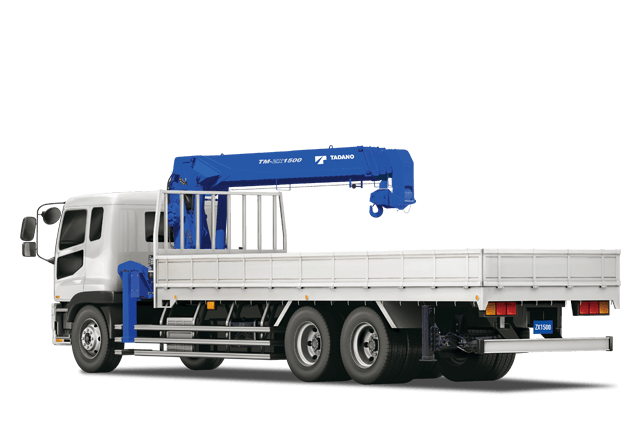
A white flatbed truck fitted with a blue Tadano telescopic knuckle-boom crane (model TM-ZE1500) is captured mid-operation, its articulated crane arm extended and lowering a cargo load via hook and cable toward the ground. The truck and crane retain their exact factory appearance—white cab and flatbed, blue crane structure with visible Tadano logo and model decal, black hook assembly, chrome side steps, and dual rear wheels—only the viewing angle and pose are adjusted to a three-quarter rear-to-side position showing the crane in active lowering motion. Metal surfaces show natural imperfections: subtle paint wear near the flatbed edges, faint dust accumulation on the lower chassis, and uneven light reflections across the blue crane arm rather than a flawlessly polished finish.
COMPOSITION & CAMERA:
Shot from a high angle looking down onto the truck and loading zone, using an 85mm portrait lens that compresses the background slightly while keeping the crane and load in sharp focus, characteristic of street photography's candid, documentary framing. The wide shot captures the full truck, crane arm, and surrounding warehouse dock in one frame, with the vehicle positioned slightly right-of-center to leave visual breathing room for the descending cargo and crane arm diagonal line. Composition maintains a balanced mood—natural, observational framing without exaggerated tension, letting the mechanical action of the crane lowering the load feel authentic and unstaged.
BACKGROUND:
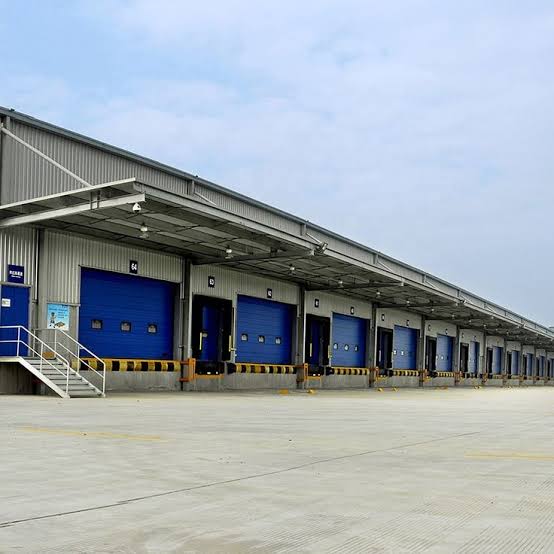
The setting is a large industrial warehouse loading dock with corrugated metal siding, multiple blue roll-up dock doors of varying wear, a concrete loading yard with visible cracks, oil stains, and faded yellow lane markings, and an overhead canopy roof line stretching diagonally into the frame. The sky above is softly overcast with thin, irregularly shaped clouds in muted, slightly desaturated blue tones—avoiding any flat or overly vivid sky color. Warehouse structural elements show realistic asymmetry and weathering, such as uneven rust streaks on the metal siding and inconsistent lighting across the dock doors, avoiding repetitive or overly uniform patterns.
FOREGROUND:
Several traffic safety cones are placed in the lower foreground, positioned off to one side closer to the camera than the truck, appearing freshly used with clean orange-and-white reflective bands, slight scuffing at the base, and minor tilts in their standing angles rather than perfectly upright uniform placement. The cones vary subtly in spacing and orientation to avoid a repetitive, artificial arrangement, and are kept low in the frame so they do not obscure the crane, load, or truck details, nor intrude into the top or bottom safe zones.
LIGHTING & MOOD:
Natural daylight illuminates the scene with soft, diffused overcast lighting typical of an overcast midday sky, casting gentle, slightly uneven shadows beneath the truck and crane rather than harsh directional light. This single dominant ambient light source creates a believable falloff across the metal surfaces, reinforcing a professional, industrious, and trustworthy mood consistent with a real construction or logistics environment. The balanced mood intensity keeps contrast moderate and shadows naturally soft, avoiding overly dramatic chiaroscuro while still conveying the strength and scale of the crane operation.
COLOR PALETTE:
The scene reflects a muted, naturally graded palette drawn from the brand system: corporate navy blue and sky blue on the crane and dock doors rendered with slight desaturation and atmospheric haze, clean white on the truck body softened by ambient overcast light, brand yellow accents on the cones appearing warm but not neon, neutral grays on the concrete yard, and earthy tan tones subtly present in dust and dirt textures. Colors avoid any flat, oversaturated digital-render quality, instead showing natural tonal variation and soft haze consistent with outdoor daylight photography.
SAFE ZONE (LOGO & FOOTER):
The top approximately 33% of the frame remains clear sky and negative space, free of any truck, crane, or cone elements, reserved for logo and headline placement. The bottom approximately 15% of the frame is kept clean of the concrete yard without any overlapping subject or foreground detail, reserved for footer or informational text, with the truck, crane, and cones composed within the central 52% of the vertical frame.
REALISM:
The image incorporates fine camera grain and subtle sensor noise typical of a real outdoor photograph, with natural depth of field softly blurring the warehouse background while keeping the truck and crane in crisp focus. Surface imperfections such as uneven paint reflections, dusty concrete textures with cracks, and slightly inconsistent ambient lighting reinforce an authentic on-location construction/logistics photograph rather than a clean 3D render or illustration.
Lampirkan juga gambar berikut ke ChatGPT saat memakai prompt ini:
Utamagunakan image ini tapi silakan diubah anglenya
Backgroundgunakan image ini sebagai referensi environment saja, silakan dikreasikan
Brief: alat berat sedang mengangkat gelondongan kayu
Komatsulow angleclose-up4:5 portrait (feed post)street photographydramatic chiaroscurodramatic14mm ultra-wide-angle lensRealism ON
FORMAT:
4:5 portrait aspect ratio, optimized for a social media feed post, vertical framing that emphasizes height and scale within a compact composition.
SUBJECT:
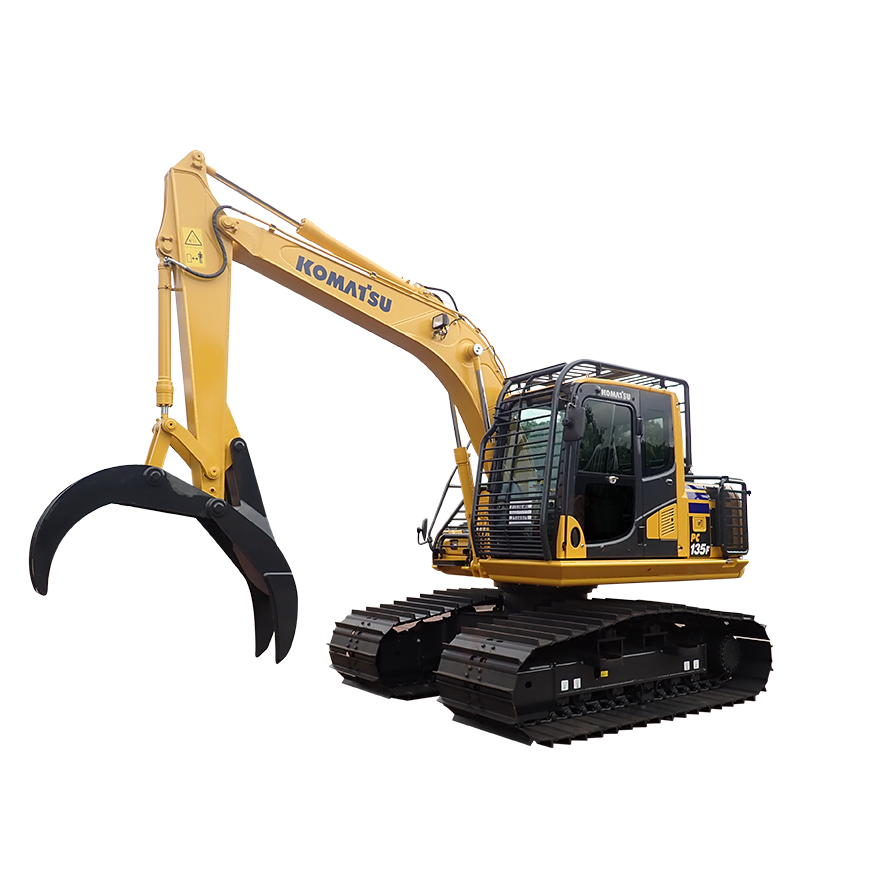
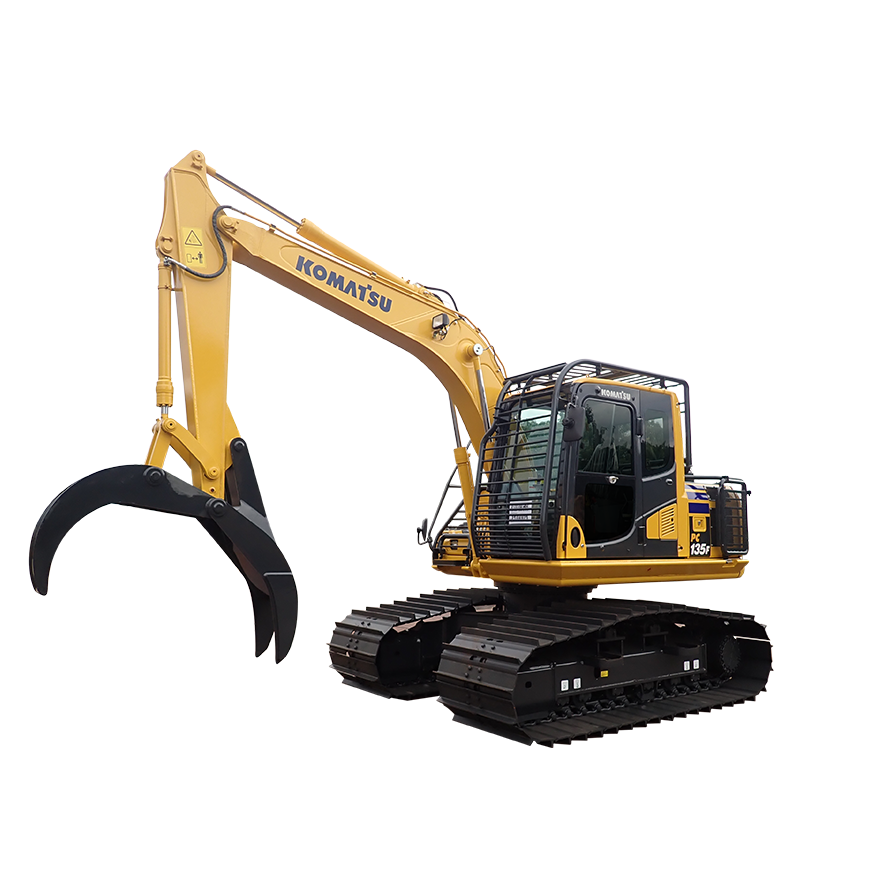
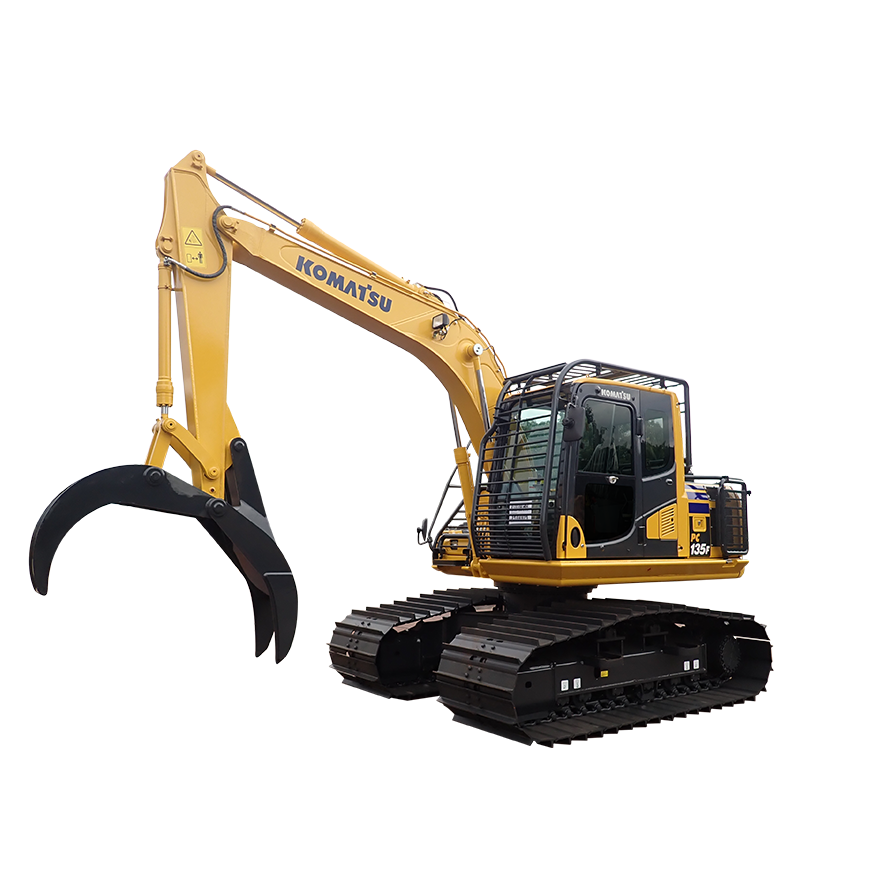
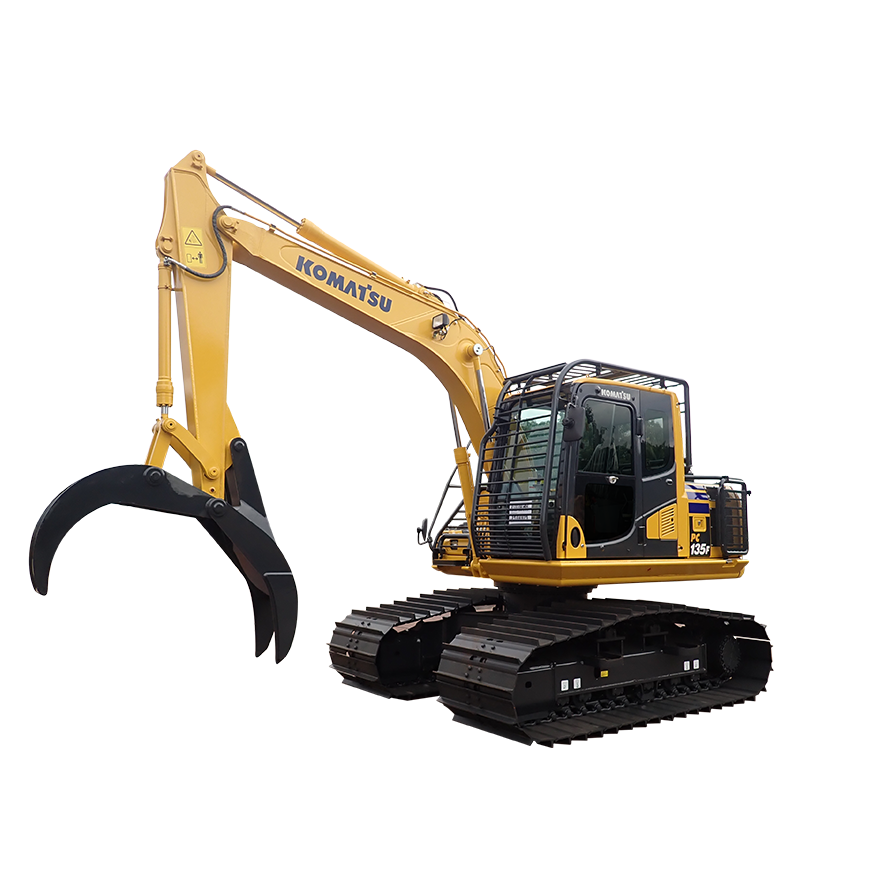
A Komatsu PC135F excavator fitted with a black log grapple attachment, painted in its signature yellow with the navy "KOMATSU" logo on the boom, caught mid-action lifting a heavy log with its grapple claws partially closed around the timber. An operator is visible inside the glass cabin, silhouetted against interior shadow, hands gripping the control levers with visible focus. The machine shows realistic wear: fine dust coating the tracks, streaks of mud on the undercarriage, light surface rust on the grapple joints and chain links, and slightly faded, sun-worn yellow paint on the boom and cab panels.
COMPOSITION & CAMERA:
Shot from a low angle close-up using a 14mm ultra-wide-angle lens, emphasizing the towering scale and imposing mass of the excavator's arm and grapple as they dominate the frame with dramatic wide-angle distortion at the edges. The street photography approach lends a raw, candid, in-the-moment feel, as if captured spontaneously on a working logging site rather than staged, with the machine positioned diagonally across the frame for dynamic tension. The dramatic mood intensity pushes the composition toward tighter, more confrontational framing, with the grapple and log thrusting toward the lower-center of the frame for maximum visual impact.
BACKGROUND:
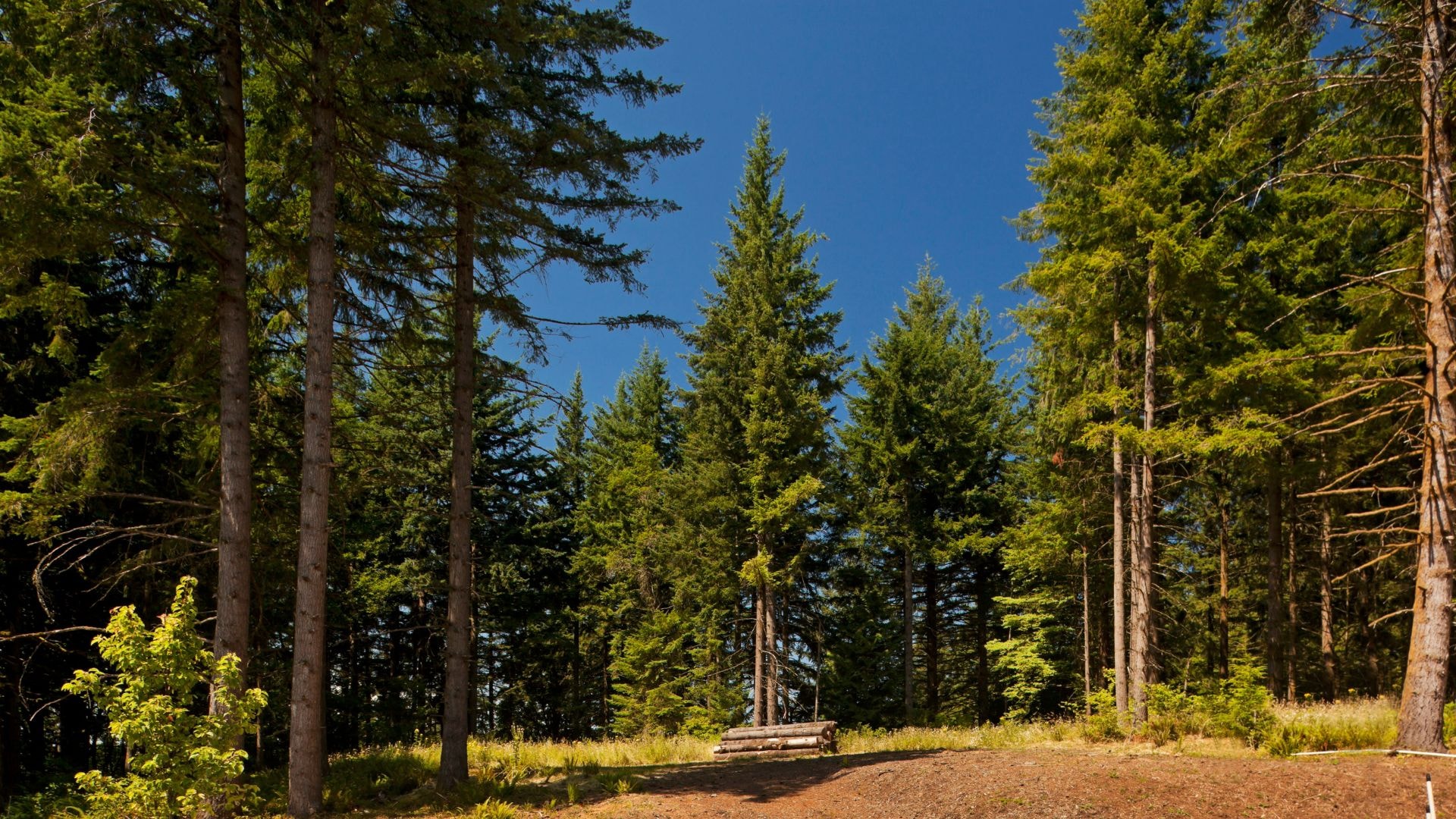
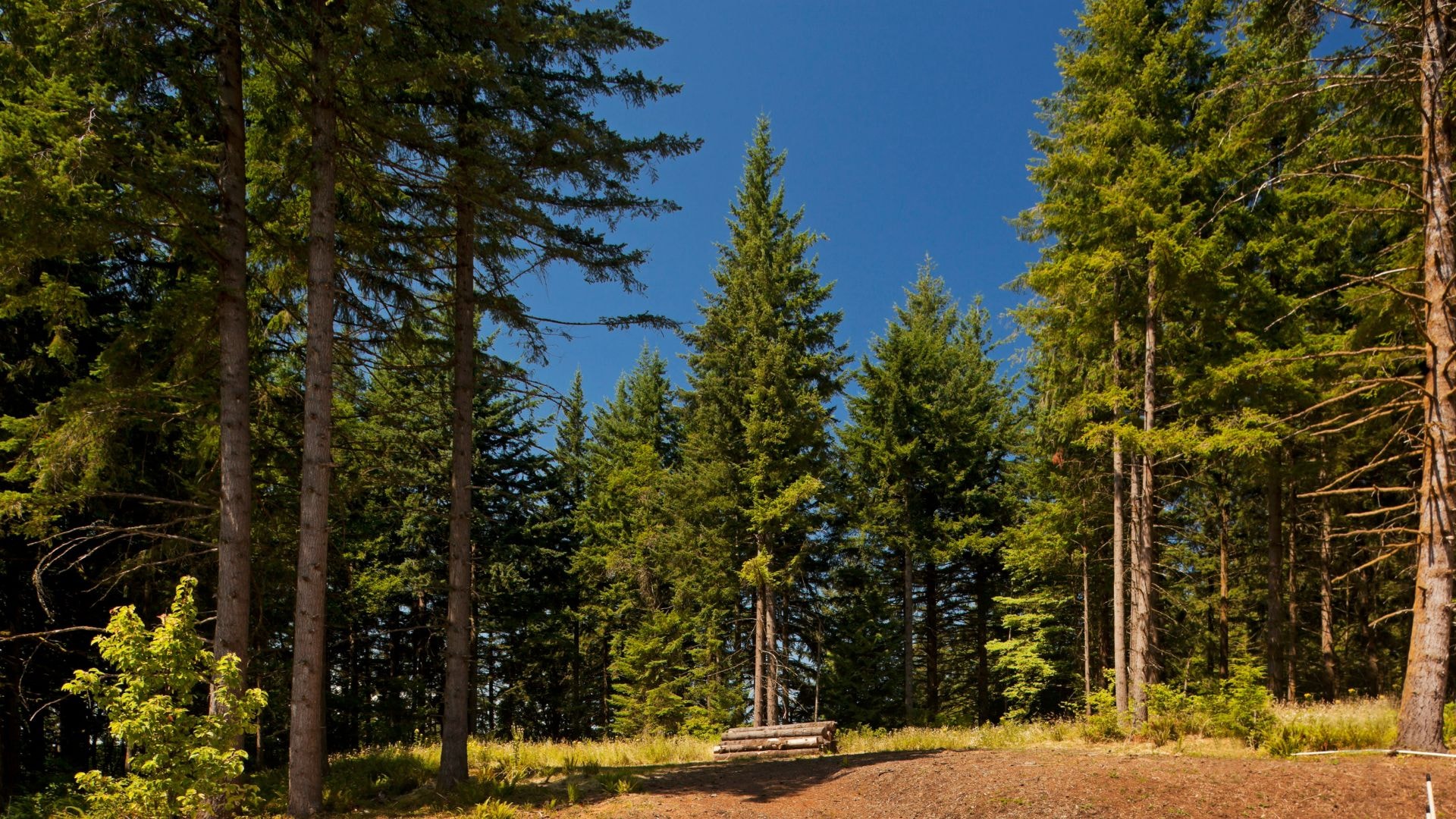
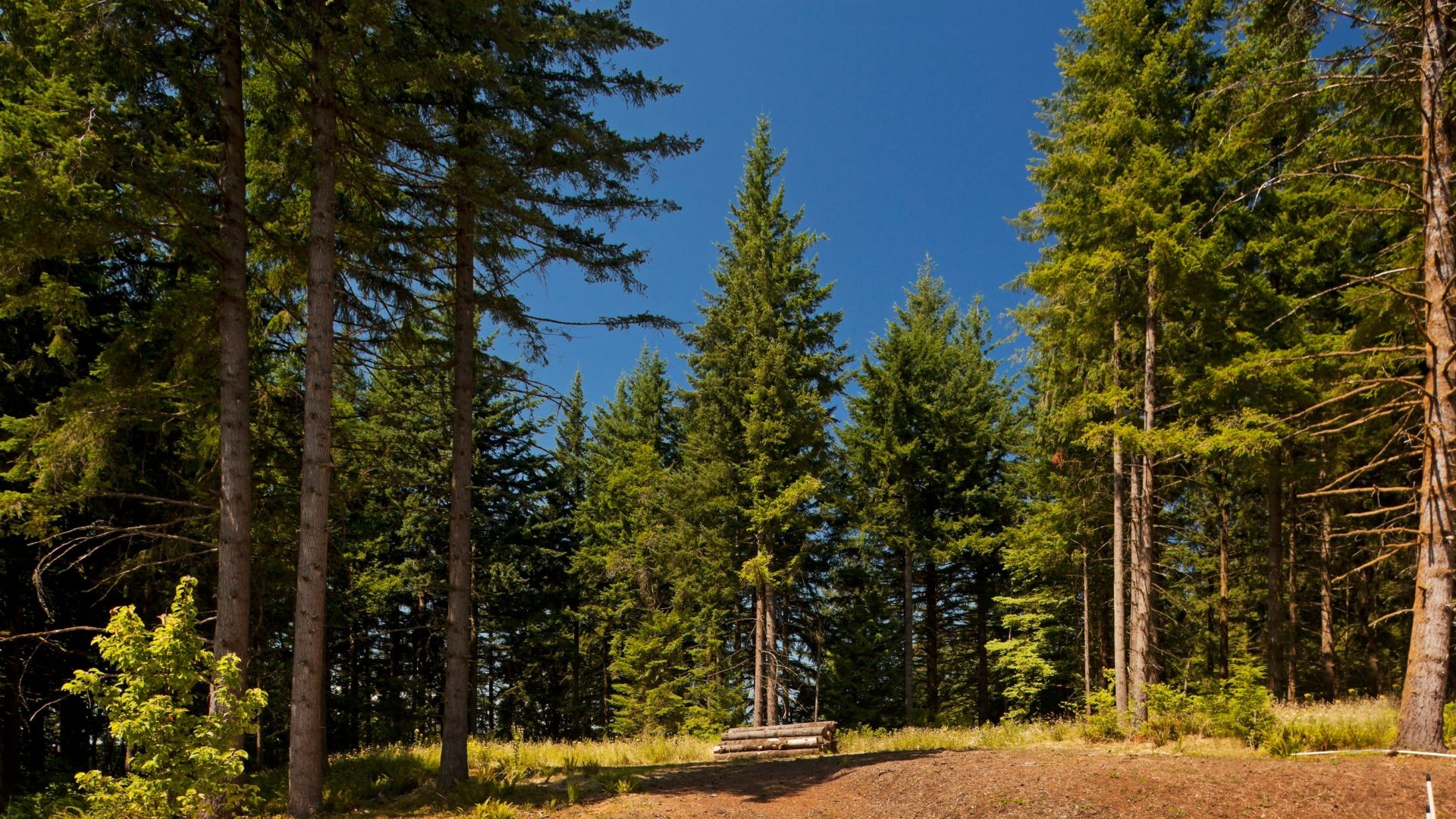
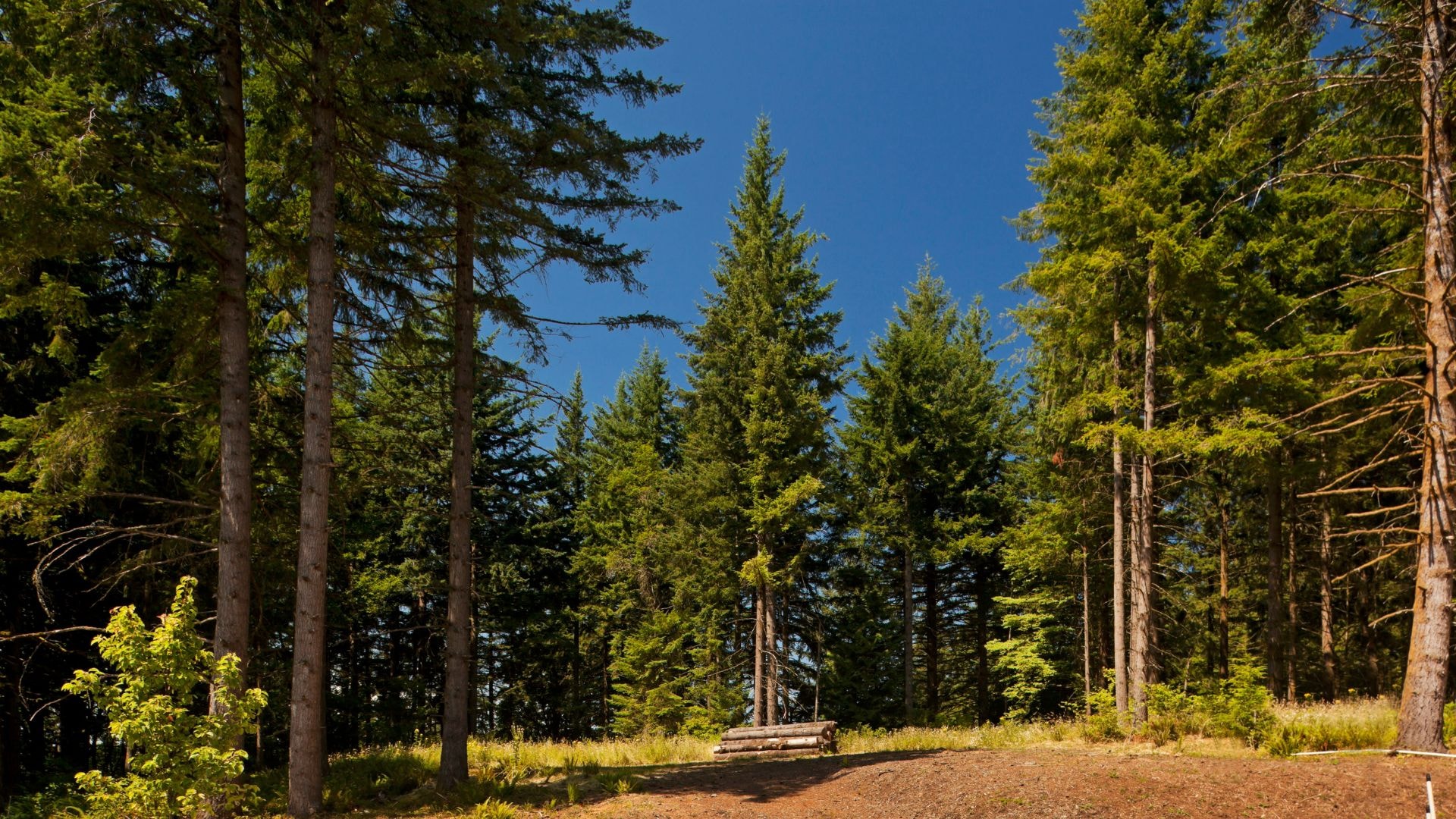
A dense pine and fir forest clearing with trees of varying heights, trunk thickness, and canopy density—some leaning, some with broken branches or sparse patches—avoiding any uniform or repetitive tree placement. Neatly stacked cut logs are piled near the tree line alongside scattered logging equipment like chains, wedges, and worn tarps, with a dirt-and-needle-covered forest floor showing tire ruts and disturbed soil from heavy machinery. The sky glimpsed through the canopy gaps is rendered in a muted, slightly hazy navy-blue rather than a saturated bright blue, and the foliage greens are naturally desaturated with tonal variation from deep shadowed greens to sun-bleached lighter patches.
FOREGROUND:
A small, shallow forest stream cuts across the immediate foreground, its water surface textured with ripples, scattered pebbles, and faint reflections of the overcast sky and surrounding trees, positioned low in the frame so it does not obscure the excavator's cabin, grapple, or the operator inside. The stream's edges show irregular muddy banks, scattered fallen twigs, and patches of wet gravel, kept entirely within the lower-center portion of the frame to respect the safe zone boundaries.
LIGHTING & MOOD:
Dramatic chiaroscuro lighting dominates the scene, with a single strong natural light source—filtered sunlight breaking through the forest canopy—casting deep, hard-edged shadows across the excavator's metal surfaces and the operator's silhouette inside the cab. Highlights on the yellow paint and grapple are sharp and directional, while shadowed areas fall into rich, underexposed darkness rather than being artificially lifted, reinforcing the tough, industrial, and dynamic mood intensified for dramatic tension. The uneven falloff between light and shadow adds a rugged, on-location authenticity rather than a polished studio look.
COLOR PALETTE:
The Komatsu yellow (#f5b700) appears slightly muted and weathered rather than flat or neon, with natural tonal variation from sun exposure and dust film. The deep navy (#0a1f44) tones appear in the hazy sky and shadow areas, muddy earth browns (#6b4a2e) ground the composition, natural foliage greens (#7a8b5c) are desaturated and varied across the tree canopy, and stone-gray tones (#a9b4bc) surface on rocks and equipment, all unified by a subtle atmospheric haze and natural color grading that avoids any oversaturated or digitally rendered look, with contrast deepened slightly to match the dramatic mood intensity.
SAFE ZONE (LOGO & FOOTER):
The top approximately 33% of the frame is kept clear and unobstructed—free of the excavator's boom, canopy foliage overreach, or any foreground elements—reserved for logo and headline placement. The bottom approximately 15% of the frame remains clean of the stream, log piles, or machine tracks, reserved for footer or informational text, with the excavator, operator, and log firmly composed within the central 52% safe area.
REALISM:
The image includes visible film grain and subtle sensor noise consistent with professional field photography, natural depth of field with the excavator in sharp focus while the forest background softens slightly, faint lens vignetting at the corners from the ultra-wide lens, and a mild imperfect white balance with a subtle warm cast from filtered sunlight. Surface imperfections like dust accumulation, light rust, uneven mud splatter, and slightly worn paint are rendered with authentic micro-texture rather than clean digital smoothness, ensuring the photograph reads as a genuine on-site capture rather than a 3D render or illustration.
Lampirkan juga gambar berikut ke ChatGPT saat memakai prompt ini:
Utamatambahkan operator di dalam kabinnya
Backgroundtambahkan tumpukan rapi gelondongan kayu, dan object2 lain yang sering ada dalam proses penebangan hutan
Brief: alat berat sedang mengangkat gelondongan kayu
Komatsulow anglemedium shot4:5 portrait (feed post)street photographydramatic chiaroscuroRealism ON
FORMAT:
4:5 portrait aspect ratio, vertical framing optimized for social media feed post, suitable for Instagram-style corporate industrial content.
SUBJECT:
A Komatsu PC135F excavator equipped with a black grapple/grab attachment, painted in its signature yellow with dark navy accents and "KOMATSU" branding clearly visible on the arm, is captured mid-action lifting a heavy log with its grapple claw. The machine's physical details, proportions, cab structure, tracks, and grapple design must remain fully accurate and unaltered from the reference, with only its angle and pose adjusted to show it actively gripping and hoisting a log. Surfaces show realistic wear: light mud splatter on the tracks, faint dust coating on the yellow paint, minor scuffs and slightly faded paint on the arm from field use, avoiding any overly clean or plastic-like finish.
COMPOSITION & CAMERA:
Shot from a low angle to emphasize the excavator's scale and dominance, medium shot framing that keeps the machine and lifted log as the clear focal point slightly left-of-center following rule of thirds. Rendered in a street photography style: candid, slightly raw framing with natural imperfect composition, authentic documentary feel rather than a polished studio setup, with the arm and log positioned diagonally across the frame for dynamic tension.
BACKGROUND:
A dense pine and fir forest clearing with a small dirt path, surrounded by tall coniferous trees of varying height, thickness, and canopy density, some with broken branches, thinning patches, or uneven growth rather than uniform rows. A narrow, meandering small river or stream runs through the clearing near the ground line, its water surface catching fragmented light with natural ripples and murky, muted tones rather than glassy perfection. The sky is a deep but naturally muted navy-blue, slightly hazy with atmospheric depth, and the forest greens are desaturated and varied in tone rather than vivid or uniform.
FOREGROUND:
A shallow, small stream with muddy banks and scattered pebbles, its water surface catching dappled directional light with subtle reflections, curves organically across the lower portion of the frame without any symmetrical or repeating pattern. The stream sits low in the frame, staying clear of the excavator's body and cab, and does not intrude into the top or bottom safe zones.
LIGHTING & MOOD:
Dramatic chiaroscuro lighting dominates the scene, with a single strong directional light source—likely low sun filtering through the trees—creating deep, hard-edged shadows contrasted against sharply lit highlights on the excavator's yellow surfaces and log. Shadows fall naturally underexposed and uneven rather than filled or lifted, reinforcing the tough, industrial, and dynamic mood consistent with the brand's rugged, trustworthy tone.
COLOR PALETTE:
The Komatsu yellow appears slightly muted and weathered rather than flat or neon, the navy-blue sky and shadow tones are deep but softened by atmospheric haze, and the earthy browns of mud and log bark carry natural tonal variation. Forest greens and stone-grey tracks are desaturated with subtle environmental grime, avoiding any oversaturated or digitally flat rendering across all elements.
SAFE ZONE (LOGO & FOOTER):
The top approximately 33% of the frame is left clear and uncluttered, showing only forest canopy and sky, reserved for logo and headline placement with no intrusion from the excavator, log, or foreground stream. The bottom approximately 15% of the frame remains clean dirt or shallow water without critical detail, reserved for footer/info placement, keeping the excavator and lifted log composed within the central 52% safe area.
REALISM:
Include visible film grain and subtle sensor noise typical of real outdoor field photography, natural depth of field with the excavator in sharp focus while the forest background falls into soft blur. Add authentic imperfections such as light rust on the grapple's edges, dust and mud smears on the tracks, faint mild lens vignetting at the corners, slightly imperfect white balance with a warm natural cast, and uneven exposure between sunlit highlights and shadowed foliage to avoid any CGI or overly polished render look.
Lampirkan juga gambar berikut ke ChatGPT saat memakai prompt ini:
Utama(tanpa deskripsi)
Background(tanpa deskripsi)
Brief: alat berat sedang mengangkat gelondongan kayu
Komatsulow anglewide shot4:5 portrait (feed post)street photographynatural lightRealism ON
SUBJECT:
A Komatsu PC135F hydraulic excavator fitted with a black grapple/log-grabbing attachment, painted in the brand's signature yellow with dark navy "KOMATSU" lettering on the boom arm, matching the reference image exactly in shape, proportions, decals, and mechanical detail. An operator is visible inside the cab, seated behind the glass with a work uniform and hard hat, partially silhouetted by the cabin's tinted windows and metal roll-cage frame. The excavator is posed mid-action with its arm extended and grapple firmly clamped around a large log, lifting it off a stacked pile, with the tracks slightly sunk into uneven dirt and the yellow paint showing faded patches, dust film, and light surface rust on the grapple joints and track chains.
COMPOSITION & CAMERA:
Shot from a low camera angle looking slightly upward to emphasize the machine's scale and power, using a wide shot that captures the full excavator and surrounding forest clearing within the frame. The photography style follows a street-photography approach: candid, slightly imperfect framing, natural unposed energy, minimal artificial staging, with the excavator placed diagonally across the lower-center portion of the frame per rule-of-thirds for a dynamic, editorial feel.
BACKGROUND:
A dense pine forest clearing with tall coniferous trees of varying height, trunk thickness, and canopy density, some leaning slightly or missing lower branches, avoiding any repetitive or symmetrical tree patterns. A pile of freshly cut log gelondongan is stacked near the tree line on packed dirt ground with patches of dry grass and scattered pine needles, and the sky above is a naturally muted, slightly hazy blue rather than an oversaturated digital blue, with soft uneven cloud texture visible near the horizon.
FOREGROUND:
Loose forest foliage—ferns, low shrubs, and scattered fallen leaves of uneven size and irregular placement—occupies the lower edges of the frame closer to the camera, with a small forest creature such as a chipmunk or small bird partially visible at the frame's edge, none of it overlapping the excavator's cab, arm, or grapple. These elements stay clear of the top and bottom safe zones and are rendered with natural asymmetry, slight motion blur, and organic imperfection rather than uniform, repeated shapes.
LIGHTING & MOOD:
Natural outdoor daylight serves as the primary light source, coming from one dominant direction consistent with harsh midday sun filtering through the tree canopy, casting hard-edged directional shadows on the excavator's yellow surfaces and the dirt ground. The overall mood remains strong, industrial, and rugged, with visible contrast between sunlit metal and darker shaded undercarriage, avoiding any flat, evenly-lit studio appearance.
COLOR PALETTE:
The Komatsu yellow (#f5b700) appears slightly weathered and muted rather than vivid, mixed with dark navy (#0a1f44) accents on lettering and shadowed sky tones, earthy mud-brown (#6b4a2e) ground textures, and naturally desaturated forest green (#7a8b5c) foliage affected by subtle atmospheric haze. Grays and whites (#a9b4bc, #ffffff) appear in the cab's metal framing and clouds, all rendered with soft tonal variation instead of flat, oversaturated color blocks.
SAFE ZONE (LOGO & FOOTER):
The top 33% of the frame is left clear of the excavator, foliage, and animal elements, showing only open sky and upper treetops to reserve space for a logo and headline placeholder. The bottom 15% remains uncluttered dirt ground or low foliage for a footer/info placeholder, with the excavator and log pile composed within the central 52% of the frame to avoid touching either margin.
REALISM:
Render with visible fine dust particles kicked up near the tracks, light rust and grime on the grapple and chain links, faded yellow paint reflecting harsh sunlight unevenly, and natural depth of field that keeps the excavator sharp while the background forest softens slightly. Add subtle sensor noise/grain typical of professional field photography, mild lens vignetting at the corners, a slightly imperfect white balance with a warm midday cast, and imperfect shadow falloff consistent with a single natural sun source rather than studio-even lighting.
Lampirkan juga gambar berikut ke ChatGPT saat memakai prompt ini:
Utamagunakan image ini dan tambahkan seorang operator di kabinnya
Backgroundgunakan image ini sebagai rujukan saja. Tambahkan tumpukan gelondongan kayu
Brief: alat berat sedang mengangkat gelondongan kayu
Komatsulow angleextreme wide shot4:5 portrait (feed post)street photographyblue hourRealism ON
SUBJECT:
A Komatsu PC135F tracked excavator fitted with a heavy-duty log grapple attachment, rendered accurately with its signature yellow paintwork, dark navy "KOMATSU" branding on the boom, black undercarriage tracks, and articulated grapple claw gripping a large freshly cut log gondola. The excavator is captured mid-lift, boom raised and grapple clamped around a thick timber log, its yellow paint showing realistic wear with faint dust coating, mud splatter on the tracks, and mild surface scuffing rather than a pristine factory finish. Position the machine turned at a dynamic diagonal angle within the frame, consistent with a low camera angle emphasizing its scale and mechanical power.
COMPOSITION & CAMERA:
Shot from a low angle looking slightly upward to exaggerate the excavator's mass and dominance, framed as an extreme wide shot that places the machine small within a vast forest clearing to emphasize scale and environment. Photography style follows a gritty street-photography approach: slightly imperfect framing, candid documentary feel, natural handheld-like perspective, and unposed authenticity rather than a polished studio composition, with the excavator positioned off-center along the lower-left third of the frame per the rule of thirds.
BACKGROUND:
A dense pine and fir forest clearing with tall, irregularly spaced conifer trees of varying height, thickness, and branch density, some trunks bare and weathered, others leaning slightly, avoiding any symmetrical or repeated tree patterns. The forest floor is bare dirt and patchy dry grass with scattered fallen logs and undergrowth, and the sky visible through the canopy gaps is rendered in a deep, slightly muted blue-hour twilight tone rather than a flat saturated blue, with soft atmospheric haze softening the distant treeline.
FOREGROUND:
Loose clusters of forest foliage and low leafy shrubs are placed at the bottom-left and bottom-right corners of the frame, closer to the camera than the excavator, with irregular leaf shapes, some wilted or torn edges, and varied density rather than a uniform hedge-like arrangement. These foreground elements stay low and to the sides, never encroaching into the top or bottom safe zones nor obscuring the excavator's grapple, cab, or branding.
LIGHTING & MOOD:
The scene is lit during blue hour, with a cool, dim ambient light source low on the horizon casting long soft shadows and a subdued blue-violet cast across the metal surfaces and foliage, rather than even multi-directional illumination. Highlights on the yellow paint and log grapple catch the fading light unevenly, creating natural falloff and slightly underexposed shadow pockets beneath the undercarriage and boom joints, reinforcing the tough, industrial, and dynamic mood of the brand.
COLOR PALETTE:
The Komatsu yellow (#f5b700) appears slightly muted and desaturated under the blue-hour light, blending with deep navy-blue sky tones (#0a1f44) rather than a vivid daytime yellow. Earthy browns and muds (#6b4a2e) on the tracks, natural desaturated greens (#7a8b5c) in the foliage, and stony grays (#a9b4bc) in shadow areas are all rendered with subtle atmospheric haze and natural tonal variation, avoiding any flat or oversaturated digital rendering look.
SAFE ZONE (LOGO & FOOTER):
The top approximately 33% of the vertical frame is left clear and unobstructed by any tree canopy, machine parts, or foliage, reserved for logo and headline placement. The bottom approximately 15% of the frame remains clean dirt or grass ground with no foreground clutter, reserved for footer information, while the excavator and grapple remain composed within the central 52% of the frame without touching either margin.
REALISM:
Render with visible film grain and subtle sensor noise typical of a professional field photograph, natural depth of field that keeps the excavator sharply focused while the background forest softens slightly, and imperfect blue-hour exposure with mild lens vignetting at the corners. Include authentic wear details such as light rust on the grapple hinges and chain links, dust and mud accumulation on the tracks, a slightly faded yellow paint sheen catching the dim ambient light unevenly, and a faint uncorrected color cast rather than a clean, digitally perfected studio
Lampirkan juga gambar berikut ke ChatGPT saat memakai prompt ini:
Utama(tanpa deskripsi)
Background(tanpa deskripsi)
Buat Prompt Edit Gambar
Upload gambar yang ingin diedit. AI akan menganalisis gambar tersebut lalu menyusun instruksi edit yang presisi untuk dipakai bersama gambar aslinya di ChatGPT/DALL-E.
Hasil Prompt Edit
Belum ada prompt. Upload gambar dan isi instruksi di sebelah kiri lalu klik Buat Prompt Edit.
Lampirkan juga gambar asli berikut ke ChatGPT bersama prompt ini:
Riwayat Edit Gambar
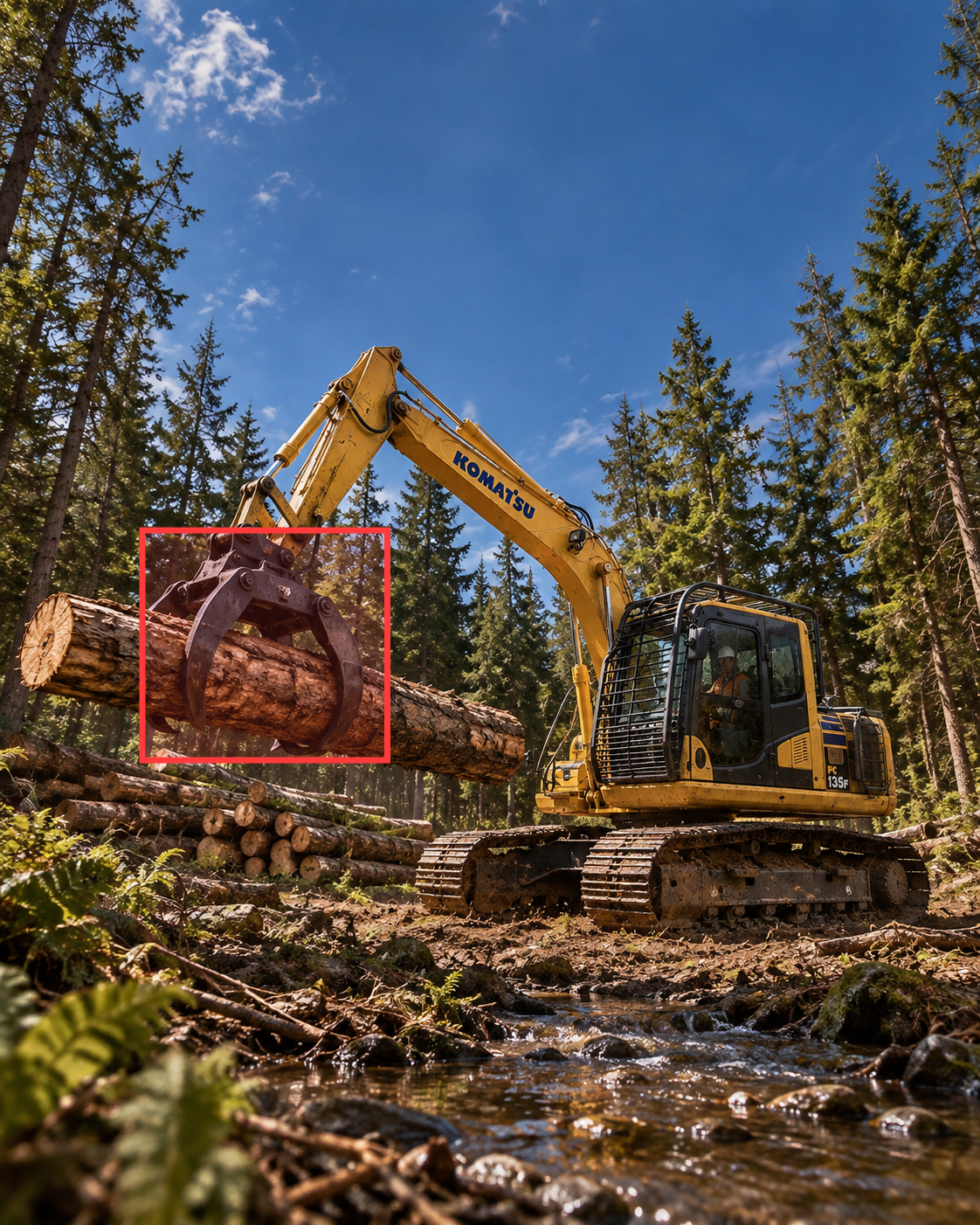
Instruksi: Perbaiki bentuk grapple dengan mengacu pada gambar yang saya upload ini.
LainnyaArea Ditandai
TARGET CHANGE:
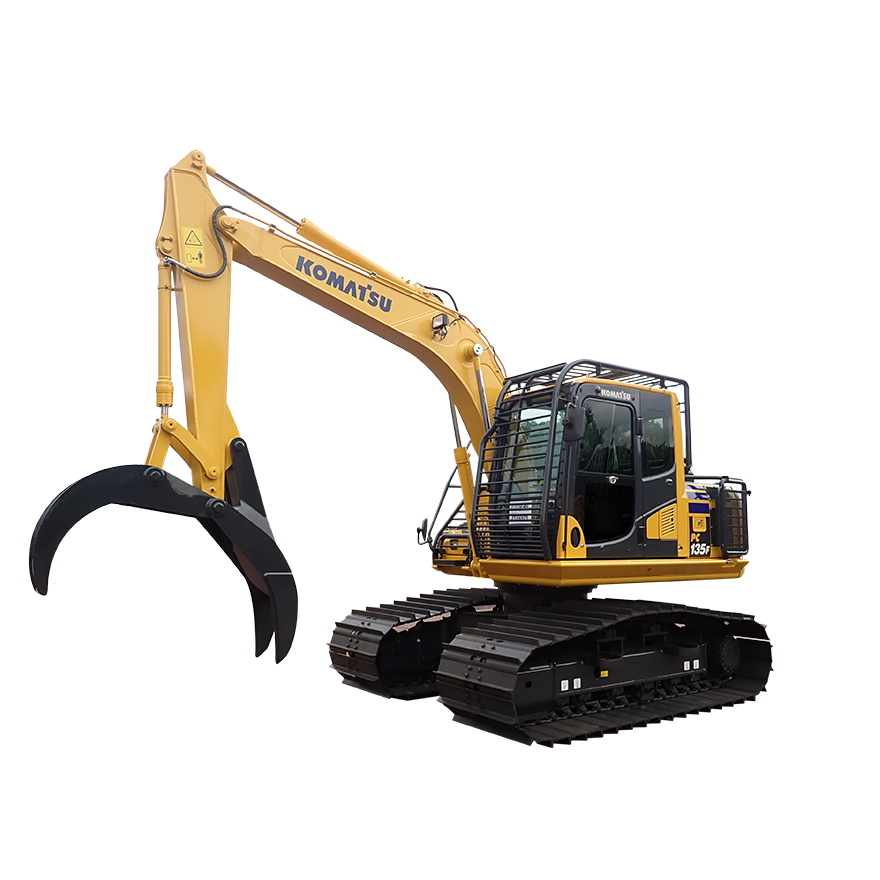
Redesign the grapple attachment (log grab) currently mounted at the end of the excavator's boom arm, located in the marked area on the left side of the frame where it is gripping the top log. The current grapple has a rusty reddish-brown, worn/weathered metal finish with a compact claw structure showing multiple small hydraulic linkage joints and short, stubby curved tines clamping the log. Replace it with a grapple shaped like the one in the reference image: two large, elongated, smoothly-curved black tines (talon-like, sweeping downward and inward in a hook shape) mounted on a glossy black pivot housing, giving a sleeker, more modern silhouette. Keep the new grapple's black tines gripping the same log, in the same open/closed clamping position and same orientation as the original, just with the updated tine shape, length, and dark black material finish/color instead of the rusty reddish-brown metal.
PRESERVE (DO NOT CHANGE):
- Overall composition and framing of the photo
- Position and pose of the excavator, boom arm, stick, and cab
- The Komatsu PC135F excavator body, tracks, cab, operator, and all yellow/black paintwork elsewhere on the machine
- The logs, log pile, forest background, trees, sky, clouds
- The stream, rocks, mud, ferns, and foreground vegetation
- Lighting direction, sunlight color, shadows, and overall exposure
- Photographic style, sharpness, grain, and image resolution/aspect ratio
- Position and size of the log currently being gripped
EXECUTION NOTES:
Blend the new black grapple naturally into the boom arm's existing mounting point, matching the pivot connection, cast metal texture, and hydraulic hose attachments seen in the original image so it looks mechanically integrated, not pasted on. Match the lighting direction and shadow falloff of the scene (bright daylight from upper right) onto the new black grapple surface, including subtle specular highlights consistent with a glossy dark metal finish. Ensure the grapple's grip on the log remains physically plausible and the log itself is not altered. The red rectangle currently visible in the original image is only a user-provided location guide and must be completely removed from the final result — it must not appear in any form. The second reference image (studio product photo of the excavator) is only a visual reference for the grapple's shape and color and must not be inserted, overlaid, or otherwise appear in the final edited image. Keep the final image at the same resolution and crop as the original.
Lampirkan juga gambar asli berikut ke ChatGPT saat memakai prompt ini:
Gambar AsliChatGPT Image Sep 5, 2026, 12_07_32 PM.png
Referensi PerubahanPC135.png
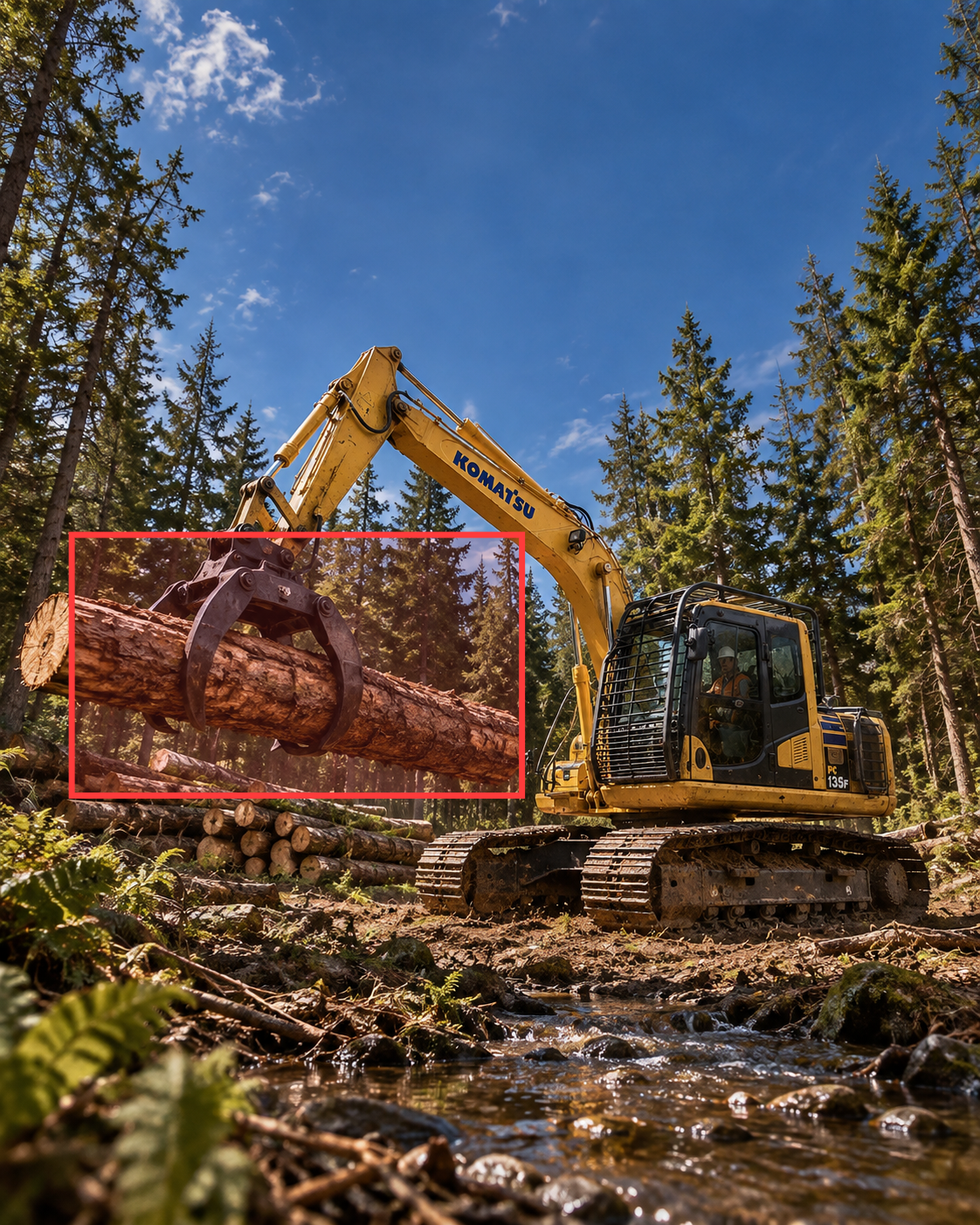
Instruksi: gunakan grapple seperti pada image terlampir
Ganti Warna ObjekArea Ditandai
TARGET CHANGE:
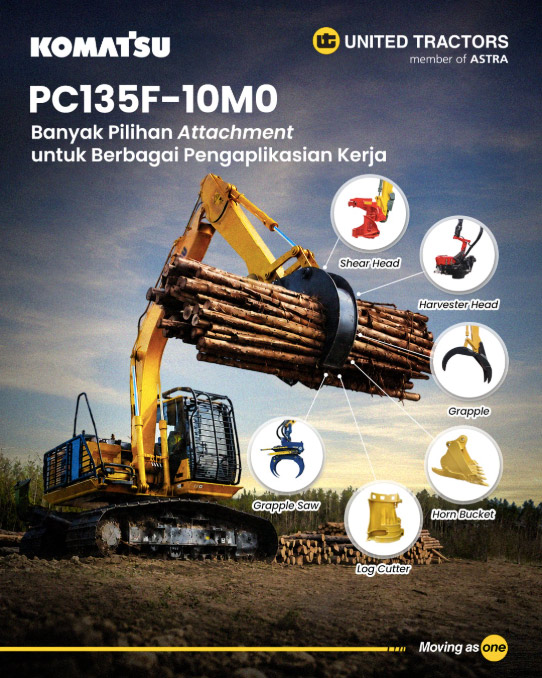
Replace the current dark reddish-brown claw-style grapple attachment currently mounted at the end of the excavator's arm (positioned on the left side of the frame, gripping a single large log) with a full log-grapple attachment shaped like a wide open circular/cage-style clamp, matching the "Grapple" attachment style shown in the reference image — a black, rounded, multi-pronged circular clamp design that wraps around and holds a full bundle of logs. Reshape the grip so it encircles a bundle of logs instead of gripping just one log, keeping the attachment mounted at the same joint position on the excavator's arm, with the same arm angle and orientation as in the original photo.
PRESERVE (DO NOT CHANGE):
- Overall composition, camera angle, and framing of the photo
- The excavator's position, pose, and arm angle/orientation
- The excavator body, cab, tracks, undercarriage, and yellow/black Komatsu paint scheme with "KOMATSU" and "PC 135F" branding
- The operator visible inside the cab
- The pile of logs on the ground beneath and around the excavator
- The forest background with pine trees, blue sky with clouds
- The stream, rocks, mud, ferns, and foreground foliage
- Lighting direction, shadows, color temperature, and time-of-day look
- Photographic style, realism, sharpness, and overall image quality
- Image resolution and aspect ratio
EXECUTION NOTES:
Match the lighting, shadow direction, and metallic texture/wear of the new grapple attachment to the sunlight conditions already present in the original photo so it blends naturally with the rest of the machine. Ensure the new grapple attachment's scale and mounting point align correctly with the excavator's arm joint. The red rectangle currently overlaid on the image is only a user-provided visual guide marking the edit area and must be completely removed, not appearing anywhere in the final result. The second reference image (Komatsu attachment infographic) is for visual reference only, showing the intended grapple shape/style, and must not appear, be pasted, or be visible in any form in the final edited image — only the excavator photo should be output, edited seamlessly with no crop or resolution changes.
Lampirkan juga gambar asli berikut ke ChatGPT saat memakai prompt ini:
Gambar AsliChatGPT Image Sep 5, 2026, 12_07_32 PM.png